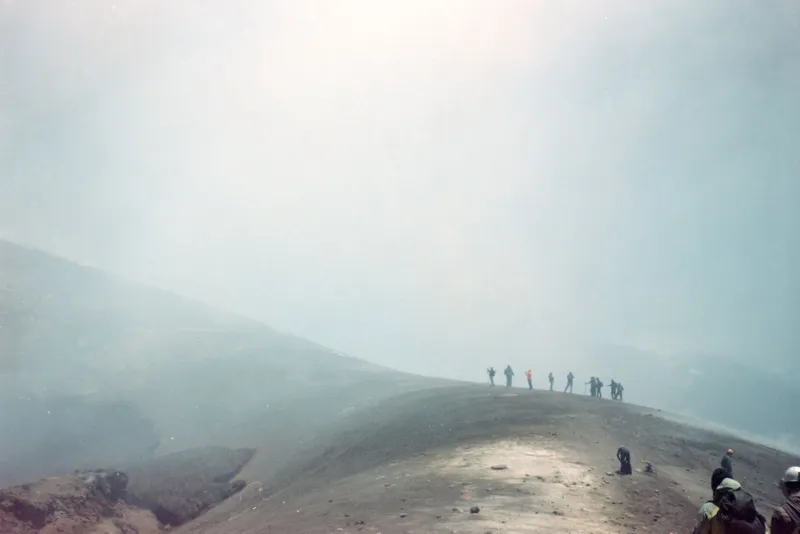
Beyond the Trailhead: 5 Secret Sacred Sites Hiding on Kiso-Ontake's Slopes
Ask most travelers about Japan's sacred mountains and you'll get the same answer: Fuji, maybe Koya-san if they're savvy. Almost nobody mentions Kiso-Ontake — which is exactly why now is the time to go. While Kyoto's temples battle tour groups and Fuji's trails pack in thousands on summer weekends, the slopes and foothills of Ontake remain gloriously, improbably quiet.
For over 400 years, this mountain has drawn pilgrims, ascetics, and village worshippers who left their mark in stone, wood, and legend. You don't need to summit the peak to feel it. Rent a car (public transit in the Kiso Valley is thin), grab a good offline map, and go hunting for these five sites that most tourists will never lay eyes on.
1. The Moss-Covered Pilgrims of the Ontake Pilgrimage Roads
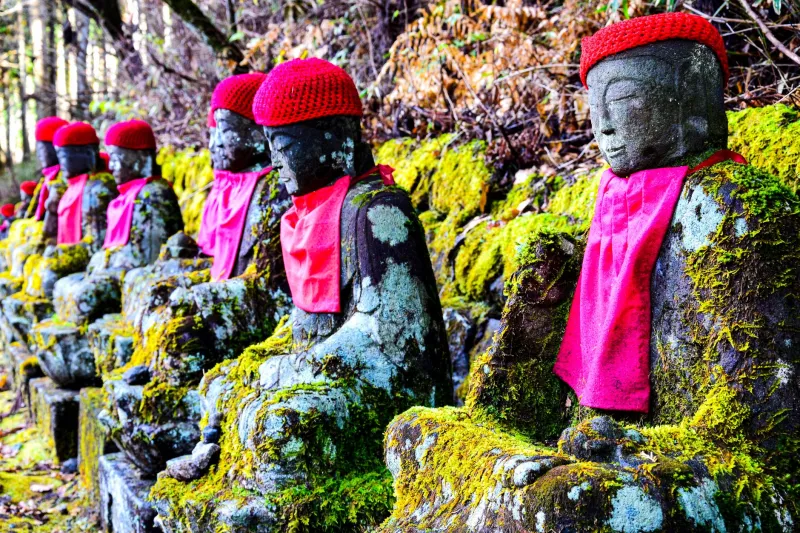
Before roads and ropeways, reaching Ontake's summit meant days of walking from the villages below. Along the old pilgrimage routes that wind through the Kiso Valley foothills, you'll find rows of small stone statues — most depicting Zaō Gongen, the mountain deity venerated by Ontake's ascetic practitioners.
Many date back to the Edo period, and the moss on them is often older than the United States. Locals still dress them in tiny red bibs and leave offerings of rice and sake.
Finding them: The approach roads near the villages of Otaki and Kiso-Fukushima hold the densest concentrations. Walk the forest lanes off the main highways and keep your eyes on the roadside — the statues blend into the landscape until, suddenly, you can't stop seeing them.
2. Ontake Shrine's Foothill Branches
Everyone photographs the summit shrine, but the Ontake Shrine network extends down into the valley towns, and these lower branches see a fraction of the visitors. The branch shrines in Otaki village are particularly atmospheric: dark timber halls, massive sacred trees wrapped in shimenawa ropes, and an unhurried silence that's nearly extinct at Japan's famous sites.
The lore: Ontake worship holds that the mountain deity descends into the foothills in winter and returns to the summit in spring — so the lower shrines are, in a sense, the god's winter home. Visit in autumn and you might catch local festivals marking that seasonal movement.
Finding them: Otaki village is the spiritual heartland of Ontake worship and easily reached by bus or car from Kiso-Fukushima Station on the JR Chuo Line.
3. The Crater Pond Shrines at Ninoike and Gonoike
High on the mountain itself, tucked between volcanic ridges, sit two small crater lakes — Ninoike and Gonoike — each hosting its own tiny shrine structure. Most hikers power past them on the way to the summit, snapping a photo at best.
Slow down. These ponds were major pilgrimage destinations in their own right; ascetics performed ritual purification in their cold waters. On a still morning, with the shrine buildings reflected on the surface and steam rising from nearby volcanic vents, it's one of the most otherworldly scenes in all of Japan — and you'll likely have it nearly to yourself.
Finding them: They're on the upper mountain, reachable via the main hiking routes from late June through early October. An overnight at a mountain hut lets you catch them at dawn, which is when they're at their best.
4. The Stone Pillars of the Kiso Valley Villages
Drive through almost any village in the Kiso Valley — the same region that's home to the famous post towns of Tsumago and Magome — and look for tall, carved stone pillars standing beside homes and fields. These are Ontake faith monuments, erected by village households that joined the mountain's religious confraternities during the 18th and 19th centuries.
They're easy to mistake for ordinary gravestones, but they're declarations of devotion to a mountain most of these families climbed at least once in their lives. Some villages have dozens.
Finding them: Anywhere and everywhere between Kiso-Fukushima and the Gifu border. The quiet farming lanes around Agematsu are especially rewarding for a slow drive.
5. The Silent Summit Itself — If You Time It Right
This one sounds like a contradiction, but hear me out. The summit sanctuary of Ontake Shrine is technically the mountain's most famous sacred site — yet almost nobody experiences it as it was meant to be felt. Day hikers arrive in a rush, take photos, and descend.
Stay overnight at a mountain hut, walk up to the summit sanctuary at sunrise, and you'll understand why ascetics considered this the dwelling place of the gods. The volcanic terrain glows gold. The shrine's gates frame the horizon. The only sounds are wind and, occasionally, a pilgrim blowing a conch shell across the void.
Finding it: Book a hut on the upper mountain between July and early September, and give yourself two days. The sunrise payoff is worth every yen.
Go Before Everyone Else Does
Part of the appeal of these places is their obscurity — and that won't last forever. Japan's rural regions are seeing a quiet tourism renaissance as travelers hunt for experiences beyond the standard Golden Route. For now, though, Kiso-Ontake's sacred landscape remains what it has been for centuries: a place where the mountain is the destination, and the silence is part of the prayer.
Pack layers, bring cash, bow at the shrines, and take your time. The mountain has been waiting a long while. It's patient.