Trade Monadnock for a Volcano: How to Hike Kiso-Ontake With Your Kids (and Actually Enjoy It)
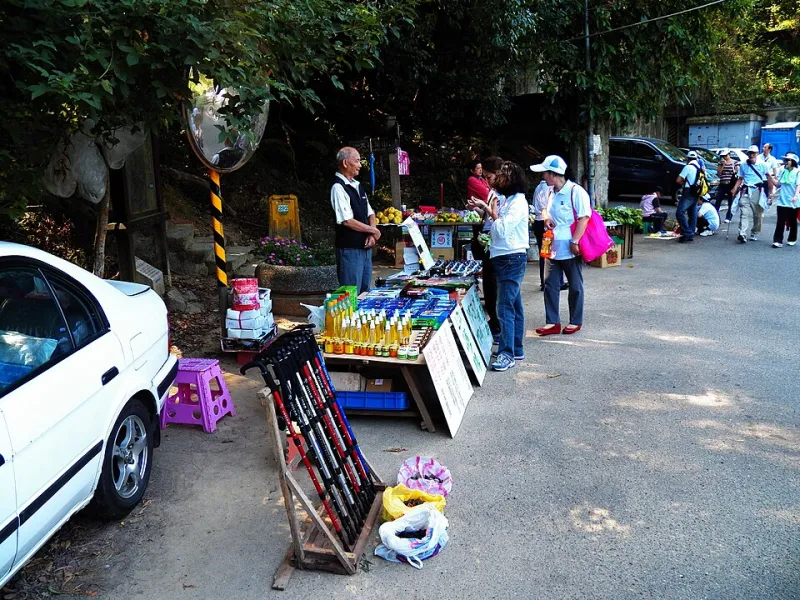
Photo: 玄史生, CC BY-SA 3.0, via Wikimedia Commons
Every New England hiking parent has a Monadnock story. Maybe it's the one where you promised your six-year-old the view was 'just around the next bend' for the ninth time. Maybe it's the ice cream bribe at the bottom. Whatever your version, here's the good news: those hours of trail negotiation have prepared you for something bigger — and honestly, weirder and better — than anything in the Whites.
Mount Kiso-Ontake, the sacred volcano straddling Nagano and Gifu prefectures, is not a theme-park hike. But for a trail family with kids who've already done a few 4,000-footers, it's achievable, unforgettable, and completely different from anything back home.
The Fitness Math: If They Can Do a White Mountain 4K, They Can Do This
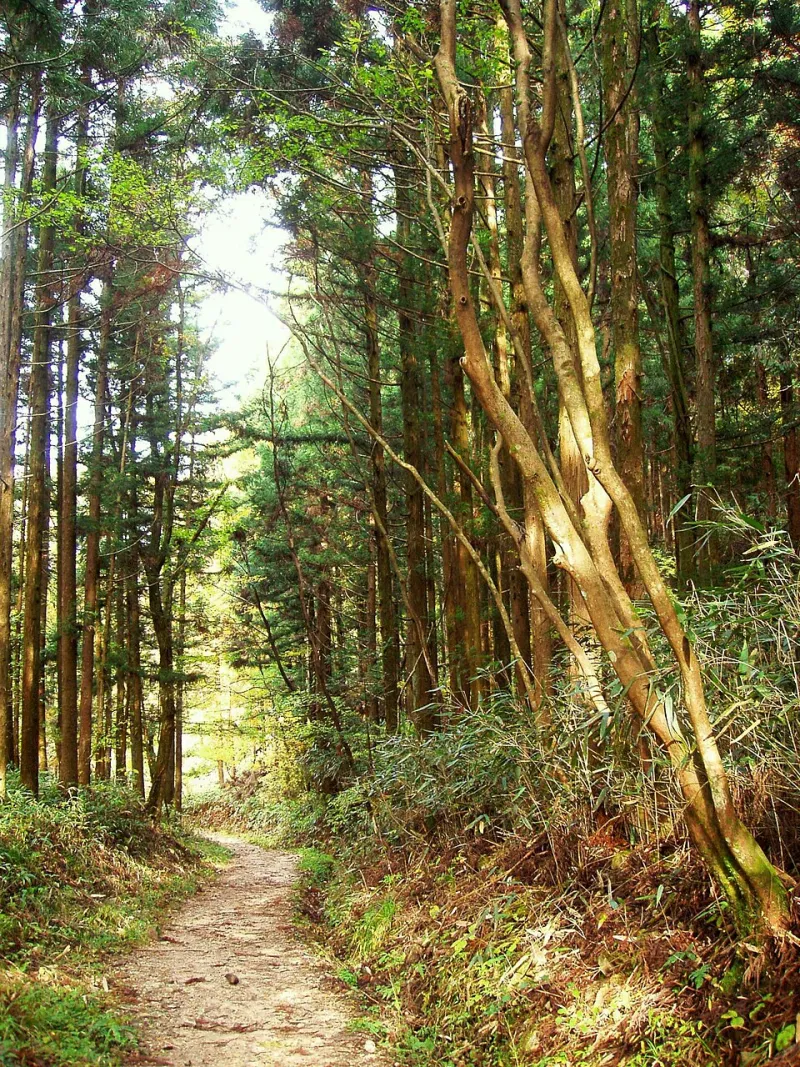
Let's talk numbers. The most popular approach to Kiso-Ontake's summit — roughly 3,067 meters, or about 10,000 feet — involves serious elevation gain. But here's the thing American parents often miss: the standard route from the Otaki side is a steady, walkable climb without the granite scrambling of, say, Mount Washington's Lion Head.
If your kids have done Monadnock's Pitcher Trail, they've worked harder on rock than they will on most of this mountain. If they've tagged a Presidential or a Pemigewasset-loop 4,000-footer, they have the legs. What's different is the altitude, the cultural context, and the pacing — and all three are manageable with planning.
Pace It Like a Pilgrim, Not Like a Peak-Bagger
American family hikes tend to be day missions: up, summit photo, down, pizza. Kiso-Ontake invites a slower rhythm, and kids thrive on it.
Start at the Otaki shrine village the day before. Let them wander the stone-paved streets, watch the waterfalls, and — this is the part that hooks kids — witness the Goma fire ceremony at Otake Shrine. Monks chant, flames roar, wooden sticks burn. It's essentially theater staged by a 1,300-year-old institution, and children who fidget through museums go dead silent here. One American dad we spoke with said his eight-year-old declared it 'the coolest thing on the whole trip,' beating out both the summit and the shinkansen.
On the mountain itself, build in breaks at the small stone shrines and worship sites that dot the route. Frame it as a scavenger hunt: count the stacked stones, spot the carved deities. Suddenly the trail isn't a slog — it's a story they're walking through.
Sleeping on the Mountain (Yes, With Kids)
Here's where Kiso-Ontake beats the Whites: the yamagoya, the traditional mountain huts, are genuinely family-welcoming. You'll sleep in shared tatami rooms, eat a hot dinner of rice and mountain vegetables, and wake before dawn to watch the sunrise with a hut full of pilgrims and climbers.
Yes, it's communal. Yes, the futon takes getting used to. But kids adapt to this stuff faster than adults do, and there's something about sleeping inside a volcano's lodge — surrounded by other hikers trading trail notes in Japanese — that no AMC hut can replicate. Book ahead, tell the hut you're bringing children, and pack earplugs.
The Logistics Cheat Sheet
- Season: Late July through early September is the safe window. This is not an October-on-a-whim mountain; weather rules everything here.
- Getting there: Trains and buses get you to Otaki village from the Kiso Valley. It takes commitment — which is exactly why you'll have the trail mostly to yourselves.
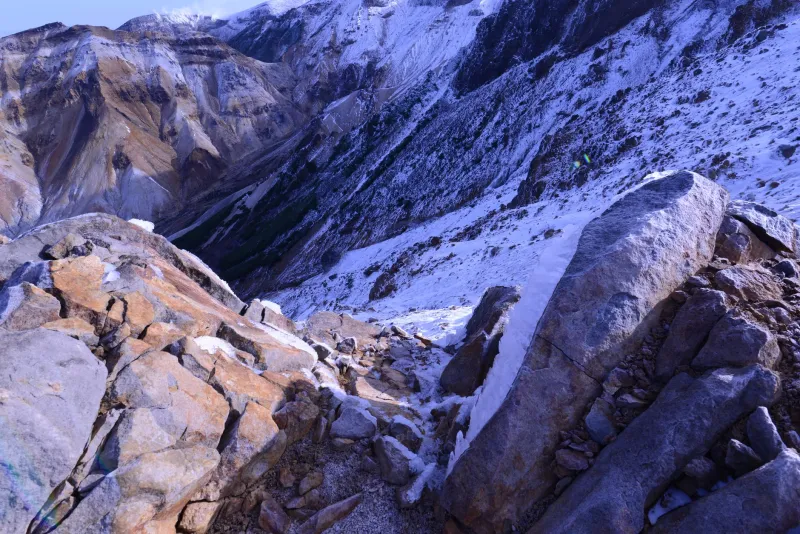
- Gear: Kids need real layers, hats, and rain shells. Above treeline, the weather swings like it does on Washington, just with fewer roads to bail to.
- Altitude: At 10,000 feet, some kids (and parents) feel the effects. Hydrate, go slow, and turn around if headaches get serious. This is a mountain, not a checkbox.
Why Bother?
Because your kids will come home with a story none of their classmates have. A fire ceremony older than the printing press. A sunrise above the clouds from a volcano the locals consider a god. The memory of a stranger in a mountain hut teaching them to fold an origami crane at 9,000 feet.
Monadnock built the habit. Kiso-Ontake builds the legend. Bring the kids.