The Summit Is the Opening Act: Stretching One Kiso-Ontake Climb Into a Week of Kiso Valley Slow Travel
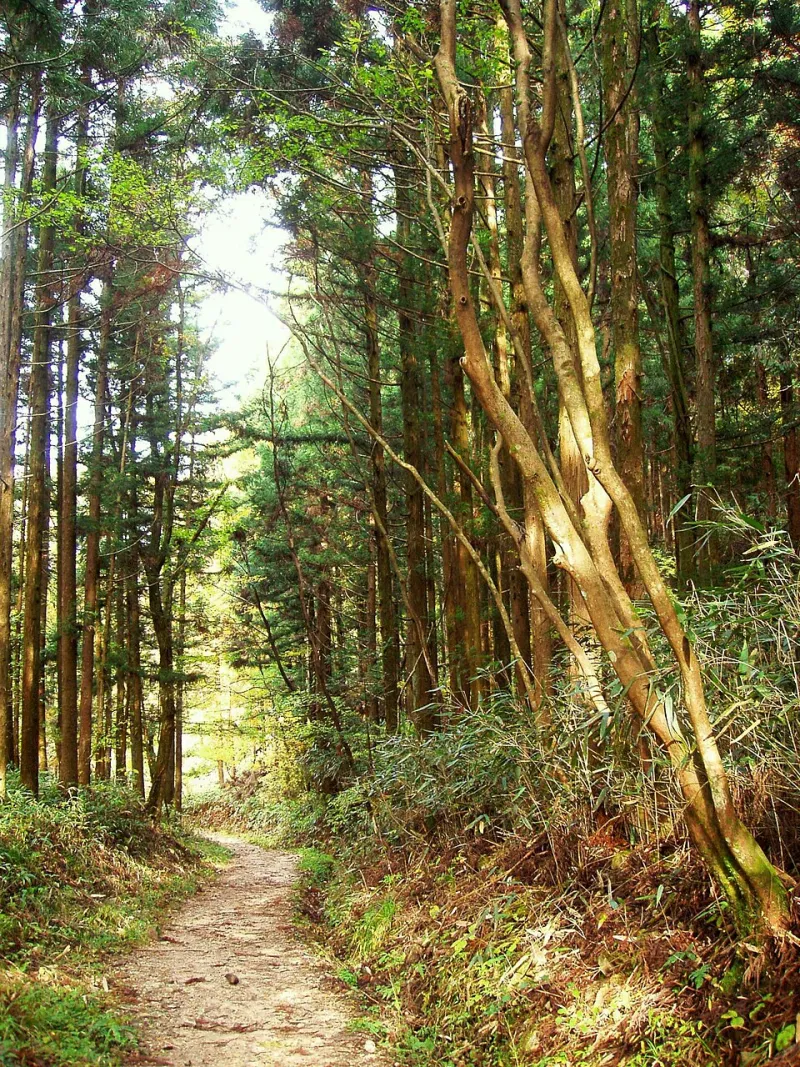
Photo: Daderot, CC0, via Wikimedia Commons
Here's a pattern we see over and over in reader emails: someone books a flight to Tokyo, trains down to Nagano, grinds up Kiso-Ontake, snaps the summit photo at the Otake Shrine reliquary, and is back on the shinkansen within two days. The mountain becomes a checkbox. The valley it rises from becomes a blur from a train window.
We get the instinct. American vacation time is scarce, and Japan feels far. But if you've already committed the airfare and the jet lag, adding four or five days costs you almost nothing and changes the trip entirely. The Kiso Valley is one of the few regions in Japan where a week of slow travel still works the way it did a century ago — on foot, by local rail, at the pace of small towns.
Here's a seven-day framework. Adjust freely.
Day 1–2: Otaki, But Properly This Time
If you've read our other guides, you know we think Otaki deserves more than a trailhead glance. Arrive the day before your climb, stay at a minshuku (family-run guesthouse), eat the shojin-ryori Buddhist vegetarian dinner your host prepares, and visit the Otake Shrine office to register your ascent like a pilgrim rather than a tourist.
The village is small enough to walk end to end in twenty minutes, but between the sake brewery, the wood-carvers' workshops, and the shrine grounds, you can easily fill a day and a half. This isn't padding — it's acclimatization, both for your legs and for your understanding of what the mountain means here.
Day 3: The Climb
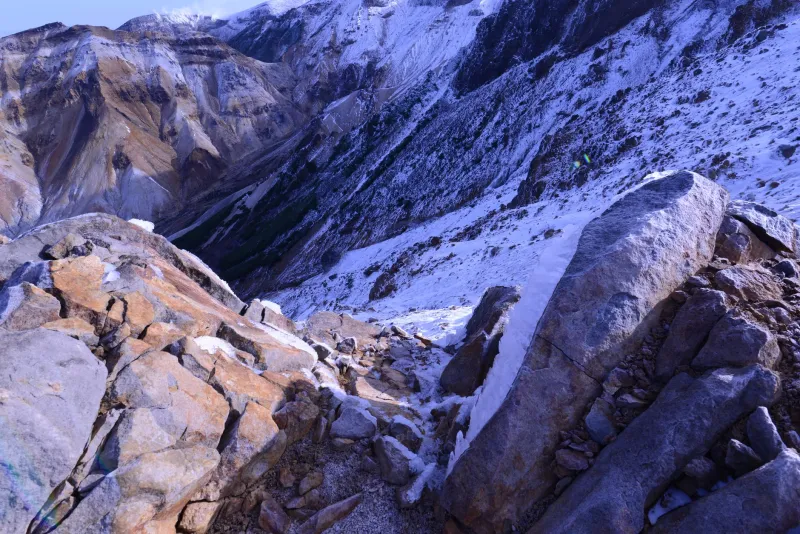
Summit day. Whether you take the Kurosawa trail from Otaki or the gentler Hirokawa route from the Gifu side, give yourself the full day. Start early, move slowly, and remember this is a sacred volcano, not a peak-bagging exercise. If the weather turns, the mountain will still be there on a future trip — the 1984 eruption taught this region that Kiso-Ontake makes its own schedule.
Day 4: Descent and the First Long Soak
Come down, eat something substantial, and do what the Japanese have done after mountain pilgrimages for centuries: find an onsen. The Kiso Valley and neighboring areas are dotted with hot springs, many with day-use bathing for under 1,000 yen. Your legs will send thank-you notes by morning. Then sleep in a real bed in Kiso-Fukushima, the former post town that served as a checkpoint on the old Nakasendo highway.
Day 5: Walk a Piece of the Nakasendo
You came all this way to hike a sacred mountain; now hike a historic highway. The stone-paved stretch between Tsumago and Magome is the famous one — and yes, it draws crowds by late morning — but start at 7 a.m. and you'll have the cedar forest and the bell-shaped stone markers nearly to yourself. It's about five miles, mostly downhill from Tsumago, past waterfalls and restored Edo-period inns.
If Tsumago feels too polished for your taste, the quieter sections around Nojiri and Yabuhara offer the same atmosphere with a fraction of the visitors. The Magome-to-Nakatsugawa leg, often skipped by day-trippers, is lovely too.
Day 6: Craft Country and the Narrow-Gauge Rails
The Kiso Valley built itself on timber, and the woodworking tradition never left. In Kiso-Hirasawa, just outside Kiso-Fukushima, dozens of family workshops turn out lacquerware — and unlike most craft towns, you can watch artisans at work and buy direct. A hand-finished bowl costs less than the souvenirs you'd find at an airport and carries an actual story.
Getting between towns is half the pleasure. The local JR Chuo Line trundles through river gorges and cedar tunnels on single tracks, the kind of slow rail travel Amtrak nostalgics dream about. Buy a one-day pass, hop off wherever a station looks interesting, and let the valley set the pace.
Day 7: Farm Stay Finale
End with a night in a farmhouse stay in the rural hamlets outside the main corridor. Hosts often pull you into the kitchen, serve whatever the garden produced that week, and — if you're lucky — pour homemade plum wine while the conversation outlasts the last train. It's the kind of evening that recalibrates what a vacation is supposed to feel like.
Why This Works for Americans Specifically
We're conditioned to optimize. One landmark, one photo, one city, next. But the Kiso Valley rewards the opposite approach: fewer destinations, longer stays, walking as transportation. A week here costs roughly what three days in Tokyo does, and you'll come home with stories instead of itineraries you completed.
The summit of Kiso-Ontake isn't the destination. It's the doorway.