Eat Like a Pilgrim: A Pre- and Post-Hike Food Crawl Through the Kiso Valley
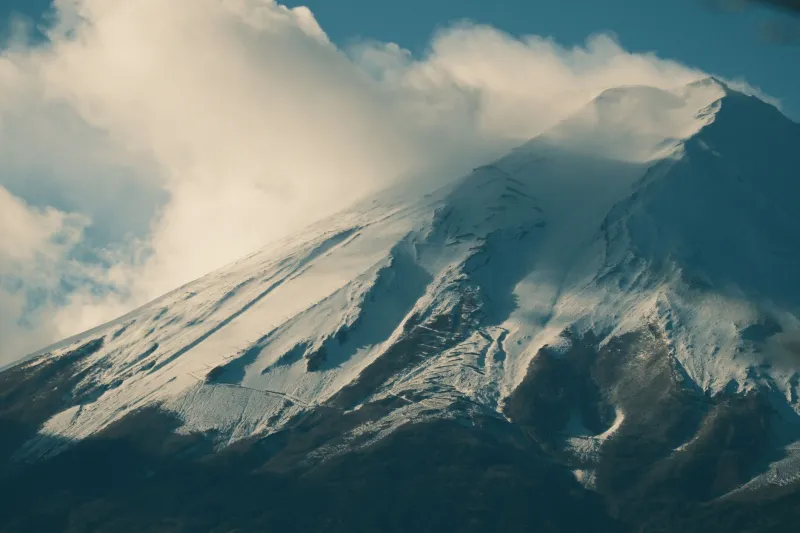
Long before energy gels and trail mix, pilgrims climbing Mount Kiso-Ontake fueled up the old-fashioned way: with hot bowls of soba, skewers of grilled river fish, and sticky rice pounded into portable cakes. The mountain has been a place of worship for centuries, and the food of the Kiso Valley grew up around that pilgrimage. So if you're flying in from the States to bag this sacred summit, do it right—eat like a pilgrim. Here's your game plan for the meals that bookend your climb.
Why Food and Faith Go Hand in Hand Here
In Japan, mountain climbing was historically a religious act, and eating before and after the ascent was part of the ritual. Villages at the base of Kiso-Ontake—especially Otaki, the main trailhead town—built their economies around feeding pilgrims. That legacy is still on every menu.
The regional specialty you'll see everywhere is goheimochi: a paddle-shaped rice cake brushed with miso and grilled over charcoal. Legend says the flat paddle shape was designed to be carried up the mountain as an offering. It's basically the original energy bar—carbs, salt, and a little smoky sweetness. One will hold you over for hours of switchbacks.
The Night Before: Carbo-Loading in Otaki
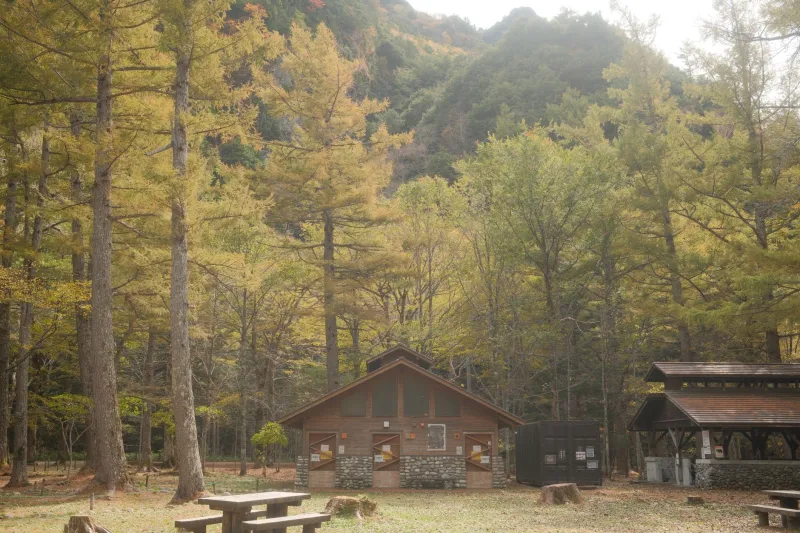
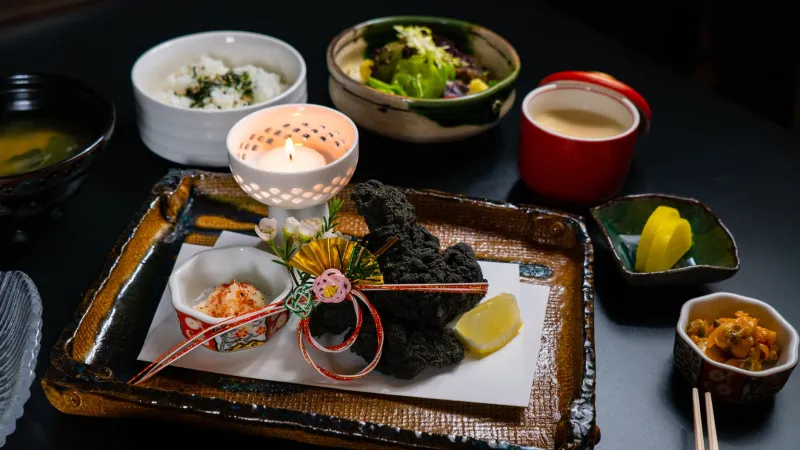
Otaki is small—think one main road, a handful of minshuku (family-run guesthouses), and a shrine at the end of it. Dinner options are limited but excellent, and most guesthouses include a home-cooked dinner if you book it ahead. Say yes to that. You'll likely get mountain-vegetable cuisine (sansai ryori): tempura'd wild ferns and bamboo shoots, miso soup with foraged greens, pickles, rice, and river fish grilled on a skewer over open flame.
If you're eating out, look for a soba shop. Shinshu soba—buckwheat noodles from this part of Nagano—has a nuttier, earthier bite than what you'll find in Tokyo. Order zaru soba (cold noodles with a dipping sauce) if it's warm, or kake soba (hot broth) if you're chasing autumn chill. Cold soba the night before a climb is peak carbo-loading with zero grease to slow you down.
Ordering tip for Americans: Many places in Otaki have no English menu and possibly no menu at all—just a handwritten board. Pointing, smiling, and saying "osusume wa?" (what do you recommend?) will get you fed. Cash is king; some spots don't take cards, and Google Translate's camera mode works shockingly well on menus.
Trail Snacks, Pilgrim Style
Stock up in the morning at a small shop in town. Beyond goheimochi, grab onigiri (rice balls—salmon and umeboshi are classic), individually wrapped shio candy (salt candy for electrolytes), and maybe a small inari-zushi for the summit. Yes, carrying food up a sacred mountain is part of the tradition. Pack out every wrapper—the mountain's shrines are active places of worship, not a state park picnic area.
The After: Your Descent Reward Meal
Here's the truth: nothing tastes better than a cold beer and hot food after six hours of scree and larch forest. Head to Kiso-Fukushima, the bigger town a short train or bus ride away, for your post-climb feast.
The move here is ayu—sweetfish, grilled whole with salt and served on a stick. It's river fish done perfectly, and it pairs with a local craft beer or a shot of Shinshu sake. If fish-on-a-stick isn't your thing, look for sansai udon—thick noodles in broth loaded with wild mountain vegetables, the same ingredients you ate before the climb but now tasting like a victory lap.
And yes, an onsen soak with your meal nearby is the traditional recovery protocol. Many ryokan in Kiso-Fukushima offer day-use bathing; do the soak first, then eat. Trust us on the order.
Handling Dietary Needs (Yes, It's Possible)
Vegetarians and vegans, listen up: rural Japan is not a plant-based paradise, but it's workable. Key phrases:
- "Niku nashi" = no meat
- "Sakana nashi" = no fish
- "Dashi nashi" = no fish broth (important—kelp-only dashi is called kombu dashi, and asking for it specifically can save your meal)
Soba is your safest bet, but double-check the dipping sauce for fish stock. Gluten-free travelers should know that most soy sauce contains wheat; carry a small bottle of tamari if you're strict. Honestly, the single best move for anyone with restrictions is staying at a minshuku and emailing your dietary needs ahead of time—Japanese hosts are famously accommodating when given warning, and a home-cooked meal built around your needs beats any restaurant scramble.
The Full Pilgrim's Menu, At a Glance
- Night before: Zaru soba or a minshuku sansai dinner in Otaki
- Morning of: Onigiri, goheimochi, salt candy
- Summit: Whatever you carried up—and a moment to appreciate it
- After: Grilled ayu and a cold beer in Kiso-Fukushima, then an onsen
Climbing Kiso-Ontake is about moving through a landscape where the sacred and the everyday have blended for a thousand years. The food works the same way—a bowl of noodles or a skewer of river fish isn't just fuel. It's the same meal that sustained pilgrims before you. Eat well, climb high, and order the second goheimochi. You've earned it.