Crimson Larch and Rising Steam: Making the Case for a Late-Season Kiso-Ontake Climb
Let's be honest about summer on Kiso-Ontake: it's lovely, and it's packed. July and August bring school vacation crowds, bus tours to the trailheads, and a summit ridge that can feel like a line at Disneyland. For a mountain that has been a site of quiet worship for centuries, something gets lost in the shuffle.
October is different. The crowds thin, the air sharpens, and the mountain puts on the best show of its year. If you can swing the timing, climb in fall. Here's why.
The Foliage Is Volcanic
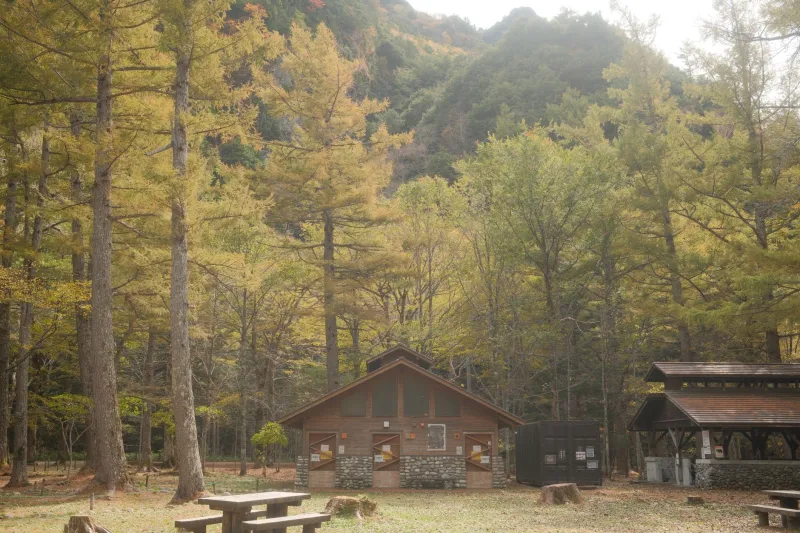
Kiso-Ontake's autumn display has a character you won't find in Vermont or Colorado. The mountain's slopes are laced with larch — a deciduous conifer that turns a electric golden-orange — mixed with crimson rowan and oak scrub. Because the mountain is a volcano, the treeline is dramatic and fast: you walk through blazing forest and emerge, within an hour, onto bare volcanic rock and gravel fields.
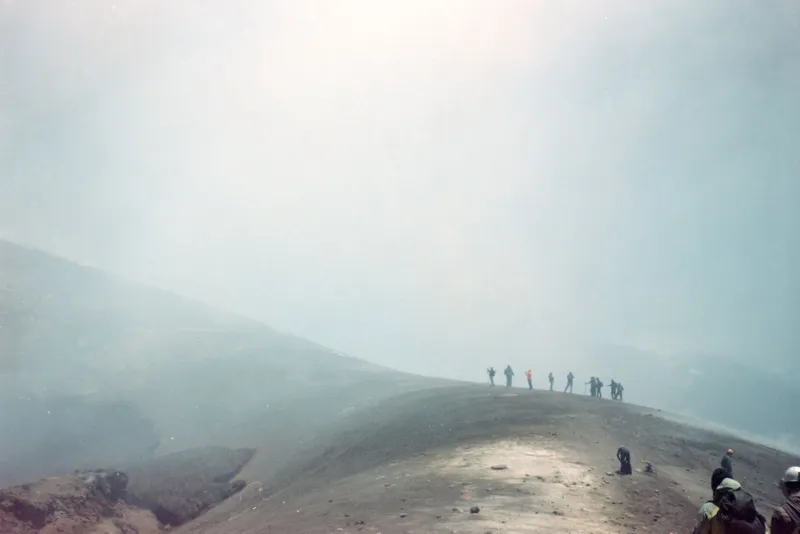
And then there's the steam. Kiso-Ontake is still an active volcano, and fumaroles near the summit vents exhale white plumes year-round. In October's cool air, that steam rises thick and visible, drifting up through the golden larch like the mountain itself is breathing. Pilgrims have read this as the breath of the deity Ontake-sama for centuries. On a cold, clear morning, it's easy to see why.
Your Week-by-Week Foliage Window
Timing is everything. Based on typical patterns (weather varies year to year, so check conditions before booking flights):
- Late September: Color begins at the highest elevations. Summit approaches show early gold, but lower slopes are still green.
- First week of October: Peak color on the upper slopes and around the Ontake Kogen highlands. Fewer hikers than summer. This is the sweet spot for combining summit attempts with highland walks.
- Second week of October: Peak koyo spreads down the middle elevations. The famous larch stands around the Otaki and Tanohara sides hit their stride. Still very manageable crowds.
- Third week of October: Lower foothills and Kiso Valley village roads glow. Summit color is fading, but the approach roads and shrine grounds are spectacular. Best week for casual hikers and photographers.
- Late October: Down to the valley. If you're higher than 2,000 meters, expect bare branches — and possibly the first dusting of snow.
What to Know About Fall Weather
October on Kiso-Ontake is generally stable — drier than the June rainy season, calmer than the summer thunderstorm pattern. But it is a 3,067-meter volcano, and it makes its own weather. Daytime temperatures at the trailheads run mild (50s°F), while summit mornings can sit below freezing with wind. Snow can arrive by late October.
Pack like it's two seasons in one day: warm layers, a windproof shell, gloves and a hat for the summit, and traction devices if you're going late in the month. Days are shorter, too — start early and set a turnaround time.
The Quieter Pilgrimage
There's a bonus to autumn that has nothing to do with leaves. Kiso-Ontake is one of Japan's great sacred mountains, a center of Shugendo mountain worship, and its slopes are dotted with shrines, stone markers, and prayer sites left by generations of pilgrims.
In October, you encounter this landscape the way it was meant to be met: slowly, and mostly alone. A weathered torii gate framed in gold larch. Steam rising past a row of stone offerings. The silence of a mountain that isn't performing for a crowd.
Summer shows you Kiso-Ontake. Autumn lets you hear it.
If your calendar allows only one trip to the Japanese Alps, by all means come in summer and enjoy the full hut season. But if you can shift your PTO by a few weeks, point it at October. The larch will be burning, the vents will be steaming, and you might just have one of Japan's holiest mountains almost entirely to yourself.