Ohtaki Is Not a Parking Lot: An Argument for Slowing Down at the Base of the Mountain
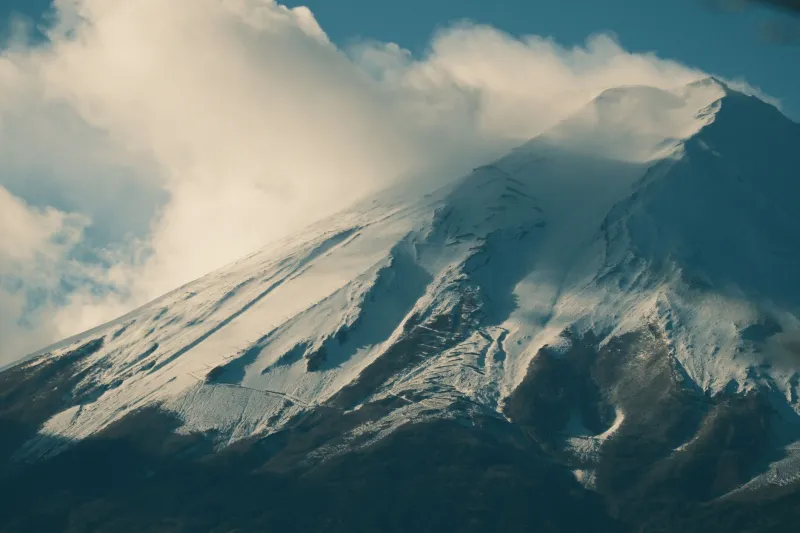
Let me be blunt: if your itinerary says "arrive Ohtaki, hike mountain, leave," you're doing Kiso-Ontake wrong.
I get the temptation. You've flown across the Pacific, you've got a window of good weather, and the summit is calling. But the village of Ohtaki — the spiritual gateway that has served pilgrims for over three hundred years — isn't a trailhead with houses attached. It's a living piece of sacred-mountain culture, and it's quietly fading. Spending a day here isn't filler time. It might be the part of the trip you remember most.
A Village Built by Faith
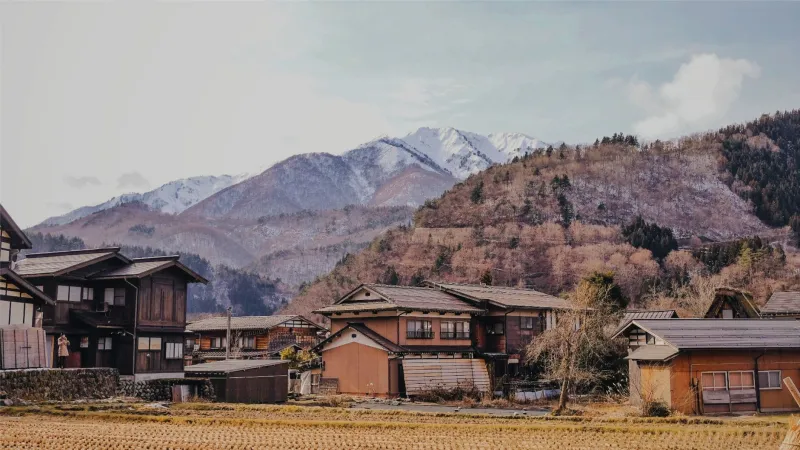
Ohtaki exists because of the mountain. When Edo-period pilgrims began streaming up Kiso-Ontake by the tens of thousands, this village became their base camp — the last stop for purification, provisions, and prayers before the ascent. That history is still visible everywhere, if you slow down enough to look.
Start at Ōtaki Shrine, a wooden structure that has watched over departing and returning pilgrims for generations. There's no crowd, no gift shop gauntlet, no entrance fee. Just dark timber, the smell of incense, and quite possibly no one else there. In an era when Kyoto's famous temples require crowd management strategies, that solitude is almost shocking — and genuinely precious.
Wander the back lanes and you'll find smaller stone shrines, weathered votive tablets, and the quiet architecture of a village that never got the memo about modernization. Bring your camera, but more importantly, bring your patience.
The Craft That's Almost Gone
Here's the thing that sealed it for me: tō-no-chō — hand-carved wooden pilgrimage amulets, unique to this region. For centuries, local carvers cut these small wooden tags for climbers to carry up the mountain and leave as offerings. Each one is cut by hand, stamped with the mountain's mark, and signed by the carver.
The problem? The carvers are aging out, and there aren't many young hands taking up the chisel. Buying one directly from a workshop isn't just a souvenir purchase — it's a small act of patronage for a craft that could disappear within a generation. Ask at the village tourist office about which workshops welcome visitors; some will let you watch the carving process, and a few can arrange it even for English speakers with a bit of advance notice. Bring cash, bring curiosity, and don't haggle. You're buying a piece of a tradition, not a fridge magnet.
Eat Where the Farmers Eat
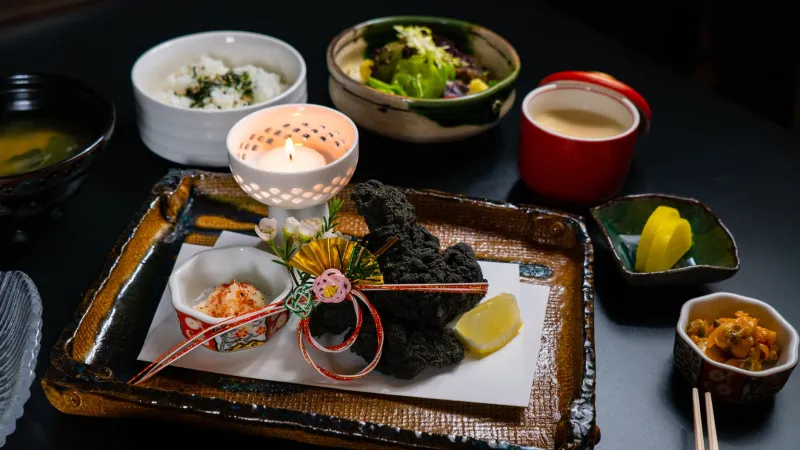
The Kiso Valley's food reputation rests on two pillars: soba and miso, and Ohtaki produces both at a scale and quality that city restaurants would kill for.
The buckwheat here is grown in mountain fields, milled locally, and cut into noodles that taste like — there's no better way to say this — actual buckwheat. If you've only eaten soba from a supermarket back home, the real thing is a revelation: nutty, fragrant, with a texture that snaps. Look for small soba shops run out of farmhouses rather than anything with an English sign.
Miso, meanwhile, is a house-by-house affair. Every farming family ferments their own, and local shops sell versions aged in cedar barrels that put anything on an American grocery shelf to shame. Buy a tub. Check it into your luggage. Thank me later.
Skip the Hotel. Stay With a Family.
Ohtaki's real magic is its minshuku — small, family-run guesthouses that are the rural cousin of the ryokan. Think futons on tatami, a home-cooked dinner of mountain vegetables and river fish, a bath that steams your skepticism away, and a host who treats you like a relative rather than a booking.
A few practical notes for arranging a homestay as an English speaker:
- Book through the Ohtaki tourist association, which can match you with minshuku that have hosted foreign guests before.
- Email rather than call — written English travels further than spoken English here.
- Budget roughly 6,000–9,000 yen per night with two meals. That's a bargain by any standard.
- Bring a phrasebook app and your best manners. Shoes off at the door, and never stick chopsticks upright in rice.
- If your host offers to show you something — a garden, a shrine, the miso cellar — say yes. Every time.
The Case for the Slow Day
I know how trip planning works. Every hour in a village feels like an hour stolen from the summit. But here's my counteroffer: climb the mountain with a night on the slopes, then give Ohtaki the day after — when your legs are wrecked, your onsen quota is high, and a slow bowl of soba beats another trail bar.
Hiking Kiso-Ontake tells you what the mountain is. Staying in Ohtaki tells you why it mattered. The pilgrims who built this place understood both halves of the journey. It's worth following their lead.