Before You Climb, You Ask: Navigating the Otake Shrine Office Like a Pilgrim, Not a Tourist
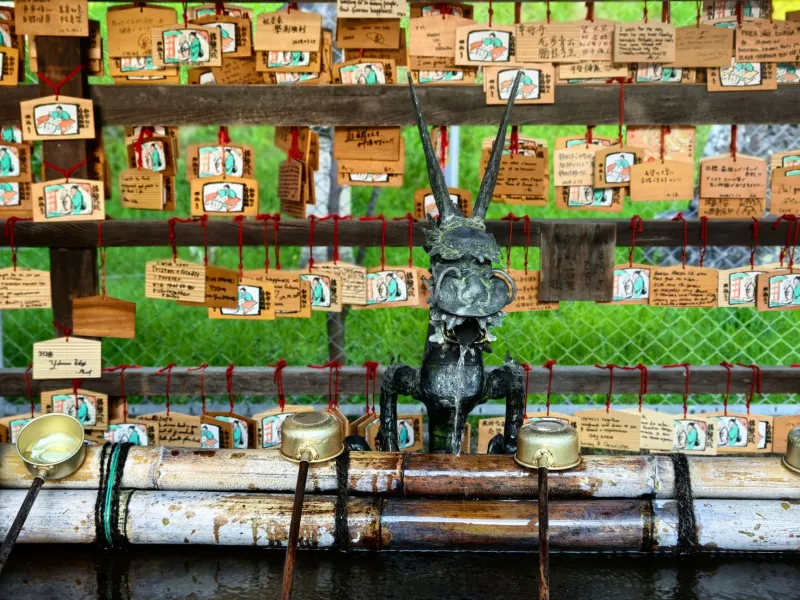
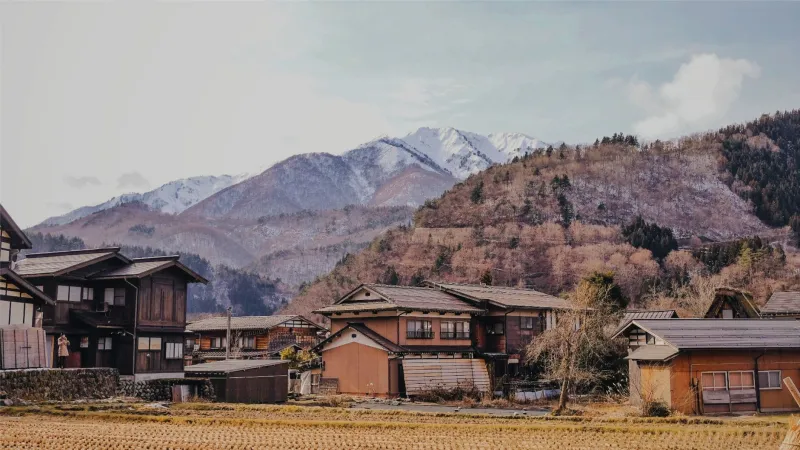
There's a moment at Otaki, the base village on Kiso-Ontake's southern flank, when you realize this isn't a national park with a gift shop. It's a parish. The mountain has a front desk, and the front desk is the Otake Shrine Office — a modest building where, for over three centuries, climbers have checked in not with a ranger but with a priest.
If you're planning a trip from the States, it's tempting to treat the shrine office like a visitor center: pop in, grab a map, leave. You can do that. But you'd be skipping the single most distinctive thing about this mountain — the fact that Kiso-Ontake is still an actively worshipped sacred peak, and ordinary travelers can participate.
What the Shrine Office Actually Does
Think of the office as part registry, part travel agency, part church. Its core functions:
- Registration. Every climber entering the mountain's sacred precincts is asked to sign in and pay a small conservation/cooperation fee. This isn't bureaucratic theater — it funds trail maintenance and signals respect.
- Prayer requests (kitō). You can commission a formal prayer service, from a brief blessing to a full ritual performed by Shinto priests, sometimes on the summit itself.
- Gyoja guides. The office can connect you with a yamabushi-style ascetic guide — a practitioner trained in the mountain's esoteric traditions — to lead your climb.
- Lodging coordination. Several shukubō (pilgrim lodgings) and mountain huts book through or alongside the office.
Booking a Prayer: The Practical Steps
Here's the part nobody tells you: you can't do this from a booking app. The shrine office is a phone-and-fax operation, and email responses can be slow or nonexistent. Your realistic options:
- Enlist help. A Japanese-speaking friend, your hotel's concierge in Kiso-Fukushima or Otaki, or a local guide service can call on your behalf. This is the standard route and nobody will think it strange.
- Book through a tour operator. A handful of Japan-based cultural trekking companies arrange gyoja-guided ascents with formal rituals included. It costs more, but it removes every language barrier.
- Walk in and ask. If your Japanese extends to "kitō onegai dekimasu ka?" ("Can I request a prayer?"), the office will usually find a way. Bring cash; card terminals are not a thing here.
Request at least a few days ahead if you can, and be flexible about timing — priest availability, weather, and the religious calendar all matter.
What a Purification Ritual Actually Looks Like
Expect the unexpected: it's not a show. A typical kitō service runs 20–40 minutes. You'll kneel or sit on tatami facing the altar, where a priest — often in flowing white robes and a black cap — offers prayers, waves a haraigushi (a wand of paper streamers) in ritual purification, and may present offerings of food, sake, or sacred paper.
You don't need to understand a word. The etiquette is simple:
- Dress modestly — no gym shorts or tank tops, even in July.
- Remove your hat and sunglasses indoors.
- Stay quiet; silence is participation.
- Bow when the priest bows. Follow along as best you can.
- Photography is usually prohibited during the ritual. Ask first, accept no gracefully.
Afterward, you may receive an ofuda (a protective talisman) or omamori charm. Carry it respectfully — many climbers tuck theirs into their pack's top lid, which is a lovely tradition in itself.
Should You Hire a Gyoja Guide?
If your goal is simply the summit, a standard route map serves you fine. But if you want to understand why this mountain has been climbed in prayer since the Edo period — the chanting, the hidden altars, the three-peaked cosmology — a gyoja guide transforms the hike into something closer to a walking seminar in living religion. It's the difference between touring a cathedral and attending the service.
The Mindset Shift
American outdoor culture frames mountains as personal challenges: bag the peak, log the miles, post the photo. Kiso-Ontake invites a different frame entirely. The shrine office isn't an obstacle between you and the trailhead — it's the trailhead, in the fullest sense.
So slow down. Sign the book. Ask for a prayer, even a small one. You'll climb the same switchbacks as everyone else, but you'll descend knowing you weren't just a visitor on this mountain. You were, briefly, one of its pilgrims.