Yen in Your Pocket: A Cash-First Money Plan for Otaki and Kiso-Ontake
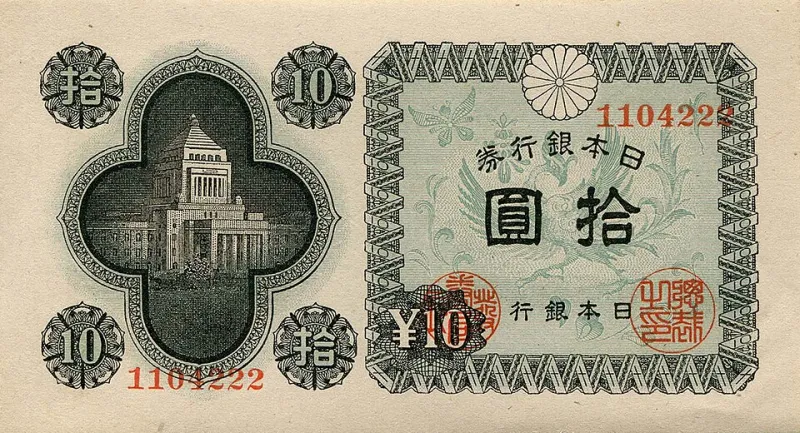
Photo: Eclipse2009, Public domain, via Wikimedia Commons
Here's the scenario that ruins a good Kiso-Ontake trip: you're standing at a hut counter at 2,800 meters, dinner is on the table, and the only thing in your wallet is a credit card and a ¥10,000 note you can't break. It's avoidable with about ten minutes of planning in the valley.
This mountain runs on cash. Not "cash is handy" cash — cash cash. Huts, buses, shrine offerings, toilet contributions, and half the shops in Otaki. Cards work at the station and in the cities. Above the village, assume they don't.
The short version
- Withdraw in Kiso-Fukushima, Nagano, or Nakatsugawa — not in the village.
- Carry ¥30,000–50,000 for a multi-day mountain trip, mostly in ¥1,000 notes.
- Buy a coin purse. You'll use it every single day.
- Keep a hidden ¥10,000 emergency note you don't touch.
- Don't count on tapping a transit card on a rural bus.
The ATM gap starts before the mountain
Otaki is small. There's no reliable foreign-card ATM, and "reliable" is doing heavy lifting in that sentence — machines get swapped, hours change, and a closed post office window can end your search. Withdraw before you head up the valley.
Kiso-Fukushima has convenience store ATMs and post office ATMs that generally accept foreign cards, along with the usual bank options. Nagano and Nakatsugawa give you more choice. Do it once, do it properly, and treat the machine as your last one.
One tip from people who've learned the hard way: withdraw on a weekday morning if you can. It's not about the ATM — it's about having time to solve a problem if one shows up.
Break the big bills immediately
Japanese ATMs love handing out ¥10,000 notes. Those are awkward in a village where a coffee costs ¥400 and the bus fare machine wants exact change. Spend fifteen minutes breaking them at the station, a convenience store, or a supermarket before you leave town. You want a wallet that's mostly ¥1,000 notes plus a healthy pocket of coins.
Bus fares and the exact-change problem
Buses between Kiso-Fukushima and the Ontake trailheads are the classic gotcha. Fares are paid in cash, often on the way out, and the change machine on board may only break certain denominations. Look up the current fare when you check the timetable, then set that amount aside in small bills the night before. It's a two-minute habit that removes an entire category of trailhead stress.
Do not assume your IC card works. City trains and urban buses, sure. A seasonal mountain bus in rural Nagano? Verify before you rely on it.
Huts, meals, and the no-card zone
Mountain huts are cash, full stop. If you're staying overnight with meals, budget roughly ¥9,000–13,000 per person and confirm the rate when you book. Day hikers should still carry cash for tea, bottled water, a snack, or a toilet contribution. There's no terminal, no signal-dependent payment app, and nobody who wants to hear about your bank's fraud protection.
Shrine offerings and the ¥5 coin
At the Otaki shrine office, two things cost money. Charms and amulets typically run ¥500–1,500, and a stamp in your book is usually a few hundred yen — bring the book and pay in cash. Offerings at the shrine itself are coins, not bills. A ¥5 coin is the traditional choice, since go-en sounds like "fate" or "connection." It's a small, specific, lovely detail of the trip, and it costs less than a coffee.
The ¥100 economy
Coin lockers at the station, vending machines on the access road, coin-operated toilets, small contribution boxes at huts — rural Japan has an entire parallel economy that runs on ¥100 and ¥500 coins. This is why the coin purse isn't optional. Keep a running reserve of maybe ¥1,000 in coins and top it up whenever you break a bill.
Five things that surprise American travelers
- No tipping. Not at the inn, not at the hut, not for the porter. It can cause genuine confusion.
- Cards work right up until they don't. The station convenience store takes your card; the hut two hours up the trail does not. The dividing line is the village.
- The last convenience store is a trail-planning tool. Use it for cash, water, batteries, and a final weather check — then stop expecting one.
- Coins are real money. Nobody rolls their eyes at a ¥500 coin. Use them.
- Nobody wants to break your ¥10,000 note at 7 a.m. They will, politely. But don't be that person at a bus stop.
A sample cash plan for a three-day trip
- Bus round trip: ¥4,000–5,000
- Hut with two meals: ¥10,000–13,000
- Water, snacks, tea at huts: ¥2,000
- Shrine charm, stamp, offering: ¥2,000–3,000
- Onsen and a post-hike meal: ¥2,500
- Toilets, lockers, vending machines: ¥1,000
- Emergency buffer: ¥10,000
Call it ¥35,000–45,000 per person, with the emergency note kept separate from your spending wallet. If that sounds like a lot of paper in your pocket, remember it's roughly the cost of one nice dinner back home — and it's what keeps the trip frictionless.
The bottom line
Withdraw in the city, break your bills, carry small notes, keep a hidden reserve, and treat the coin purse as essential gear. Kiso-Ontake isn't hostile to cards — it simply never needed them. Meet the mountain where it is, and the only thing you'll be thinking about at the hut counter is the view.