When the Mountain Says Yes: Auspicious Dates, Imperial Rituals, and the Hidden Calendar Behind a Kiso-Ontake Ascent
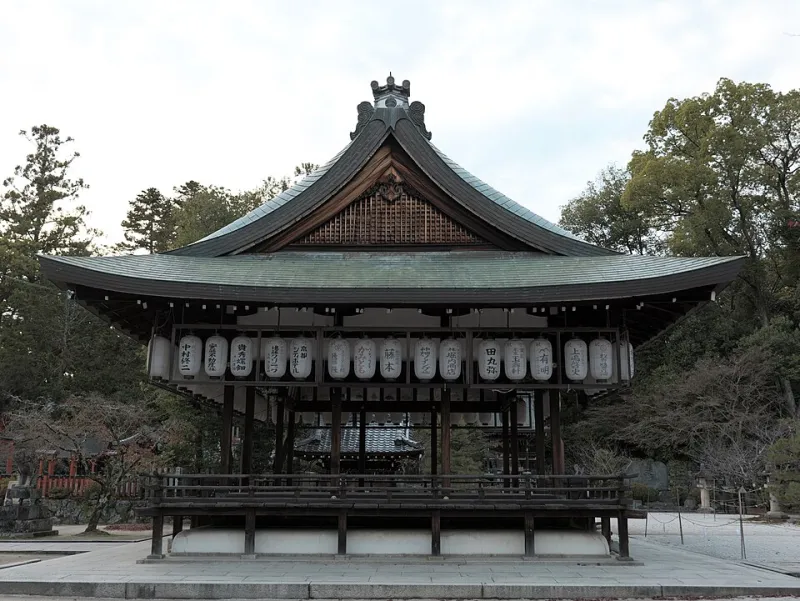
Photo: Hyppolyte de Saint-Rambert, CC BY 4.0, via Wikimedia Commons
Most American hikers plan around two things: vacation days and weather forecasts. In Japan, there's a third factor most of us never see — a spiritual calendar that decides when a mountain is not just climbable, but open.
If you've ever wondered why your Japanese trail companions seem oddly deliberate about their timing, or why the base village of Otaki hums with ceremony on certain weekends and sleeps on others, the answer goes back more than a thousand years. Understanding it might change when you book your flight.
A Mountain You Visit, Not Conquer
Start with this: Kiso-Ontake is not a peak in the Western sense. It's a deity. Since at least the Heian period, the mountain's summit — a cluster of volcanic cones straddling the Nagano-Gifu border — has been the sacred body of a god worshipped at Otake Shrine.
That means climbing it was never recreation. It was worship, and worship has rules. For centuries, access to the upper slopes was restricted to ordained practitioners of Shugendo, Japan's mountain ascetic tradition, and only during specific ritual windows. The rest of the year, the god was, effectively, off-limits.
The modern trail is open to everyone now, but the old logic hasn't vanished. It's just gone quiet — baked into the festival schedule, the shrine calendar, and the habits of Japanese climbers who still check more than the forecast before they go.
The Official Opening: Yama-Openings and What They Mean
Across Japan, sacred mountains traditionally "open" in early summer with a ceremony called yamabiraki — literally, the opening of the mountain. It's often marked by a Shinto rite at the base shrine, sometimes attended by local officials and, in notable cases, imperial messengers sent on behalf of the Emperor himself.
That last part surprises most US visitors: Japan's imperial household still maintains formal ties to major mountain shrines. An envoy bearing a gift from the court (hōhei dispatched with heihaku, ceremonial offerings) is a real thing at significant shrines, a practice that echoes edicts going back over a millennium. When it happens, the mountain isn't hosting a festival — it's hosting a state ritual.
For Kiso-Ontake, the season's official opening and the major shrine festivals at Otaki are the days when the mountain feels least like a hiking destination and most like what it actually is: one of Japan's most important sacred peaks. If your timing lines up with one of these ceremonies, you won't just watch something picturesque. You'll witness the exact rite that, historically, gave anyone permission to climb at all.
Auspicious Days: The Calendar You Can't See
Layered on top of the festival schedule is something subtler — the folk practice of reading days themselves. Many Japanese still glance at the traditional almanac (koyomi) and its six-day repeating cycle, where some days are deemed lucky (taian) and others unlucky (butsumetsu).
Couples book weddings on taian. Businesses schedule openings around it. And plenty of climbers quietly aim for auspicious days when planning a sacred mountain ascent — especially first ascents, memorial climbs honoring relatives, or the repeated pilgrimages that serious practitioners of Ontake worship make across a lifetime.
This is a genuinely foreign concept for most Americans. We pick Saturdays. They pick days that mean something. Neither approach is wrong, but the difference explains a lot about who you'll meet on the trail and why they're there.
The 1984 Rupture in the Ritual
Here's where the story turns heavy. Kiso-Ontake's devastating phreatic eruption in September 1984 — which killed dozens and reshaped the mountain's western slopes — occurred on a day when the mountain was, in the old sense, alive with spiritual significance. The disaster shattered communities, closed routes, and forced the shrine world to rethink its relationship with the summit.
The mountain reopened in stages over the following years, and each reopening carried the weight of ritual: rites of purification, memorial services for the dead, ceremonies to formally welcome climbers back. When you hike Kiso-Ontake today, you're walking on a mountain that had to be ritually re-opened — twice, in a sense. Once by the gods, once by people.
This history is part of why the calendar still matters here more than on other peaks. Timing isn't just tradition. It's memory.
How to Synchronize Your Trip
So what should an American traveler actually do with all this? A few practical moves:
- Build your dates around a shrine festival, not a summit forecast. The major ceremonies at Otake Shrine's Otaki base and on the mountain itself anchor the season. A climb that brackets one of these days gives your trip a spine.
- Arrive the night before. Ceremony mornings start early, and the village is at its most atmospheric at dawn — see our guide to a night in Otaki for why this is worth planning around.
- Ask before photographing. Goma fire rituals and shrine rites aren't street performances. A quick "shashin, daijōbu desu ka?" goes a long way.
- Check the almanac yourself. Look up taian dates for your travel window if you want the full-pilgrim experience. You'll be in good company on the trail.
Why It Changes the Climb
There's a version of your Kiso-Ontake trip where you park, hike, summit, photograph, descend, and leave — the day-hike template we all know from the Whites or the Sierras.
And there's a version where you time your ascent to the same rhythm Japanese climbers have used for centuries: arriving when the mountain is ceremonially awake, walking in the footsteps of a ritual calendar older than the United States, and understanding that the summit was never the point.
Same trail. Completely different climb. The calendar decides — if you let it.