Walking Alone to the Shrine Village: A Solo Traveler's Honest Notes on Otaki and Rural Nagano
I'll be honest about my first night in Otaki. I stepped off the bus as the light was going amber over the valley, one of maybe six people in the whole village square, and my American brain immediately started running the safety checklist it had built over thirty years of living in cities. Where's my lodging. Is anyone watching me. Is it weird that I'm here alone.
By the second evening, that checklist was gathering dust.
The Part Nobody Tells You About Rural Japan
If you've traveled in the US, you've been trained to be vigilant in exactly the way that rural Japan quietly defies. Small mountain towns like Otaki, at the foot of Mount Kiso-Ontake, operate on a social logic where strangers are noticed — but noticed in the sense of who is that person and do they need help, not in the sense of threat.
My second morning, a woman sweeping in front of the shrine office saw me studying a trail map, disappeared inside, and came back with her grandson, who spoke enough English to walk me through the bus schedule I'd already misread. Nobody asked for a tip. Nobody wanted anything. That's just how the place runs.
I want to be careful not to over-romanticize this. Japan is not crime-free, and rural areas have their own risks — mostly of the natural variety. But the ambient fear that American women carry into solo travel simply doesn't map onto daily life in the Kiso Valley. The streets are safe to walk at night. The buses are punctual and uneventful. The biggest social risk is accidentally being too formal with someone who wants to feed you dinner.
Practical Safety, Translated to Mountain Villages
The safety concerns that actually matter here look different from back home:
Getting stranded beats getting robbed. Buses to trailhead villages run a handful of times a day. The real danger isn't the walk from the bus stop — it's missing the last bus and having no cell signal to call a taxi. Screenshot timetables, tell your lodge your arrival window, and carry cash in case you need to negotiate a ride.
Trails are the wilderness part. Otaki village feels safe at 9 p.m. The slopes of Kiso-Ontake above it do not feel safe at 2 p.m. when fog rolls in. Treat the mountain with the respect any backcountry in the States deserves — file a plan, carry layers, know that rescue exists but is slow.
Alcohol and onsen etiquette. Mountain lodges serve sake generously and communal baths are part of the culture. Solo women sometimes worry about the bathing situation. Most lodges will happily arrange a private bath (kashikiri) if you ask — learning the phrase "kashikiri onsen wa arimasu ka" is worth more than any self-defense gadget in your pack.
Where a Solo Woman Actually Sleeps Well
The minshuku and small lodges around Otaki are, in my experience, the sweet spot for solo travelers. They're cheaper than resort hotels, the owners act as de facto concierges, and eating a home-cooked dinner at a shared table beats room service in a business hotel by a mile.
A few things I learned:
- Book the smallest place you can find. A six-room minshuku means the owner notices when you haven't come back by dark. That's not surveillance; that's the safety net.
- Say you're hiking Kiso-Ontake. It instantly reframes you from tourist to pilgrim-adjacent, and locals open up. One lodge owner spent an hour showing me photos of the 1984 eruption.
- If a place feels too big and anonymous, follow your gut. Your instincts from home still work here; they're just rarely triggered.
The Shrine Steps Test
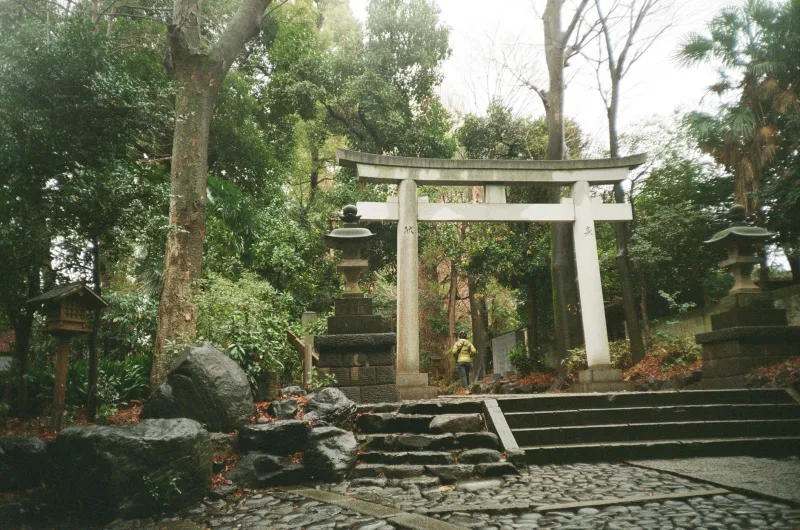
On my last morning I climbed the long stone stairway to the Otaki shrine grounds before breakfast — the kind of worn, mossy steps that have carried pilgrims for centuries. I passed an elderly man coming down who bowed slightly and said "konnichiwa," then a group of schoolkids who giggled and said "hello!" in English, then nobody at all for twenty minutes.
That's the whole experience in miniature. Solitude, yes. Vulnerability, no. The mountain villages of Nagano have absorbed solo pilgrims — many of them women — for hundreds of years. You're not an anomaly walking up those steps. You're the latest in a very long line.
If you've been waiting for a sign that solo travel in rural Japan is doable, consider this it. Book the lodge, learn five phrases, catch the morning bus. The mountain's been expecting someone like you for a while.