You Don't Bag This Peak: What Shinto Mountain Worship Can Teach American Hikers About Respect
There's a phrase American hikers use without thinking: bagging a peak. It shows up in trip reports, on trail apps, in the way we talk about our 14ers lists and our Fifty Finishes. The mountain becomes a checkbox. The summit, a trophy.
Then you climb Kiso-Ontake, and that vocabulary starts to feel a little embarrassing.
A Mountain That Is Also a God
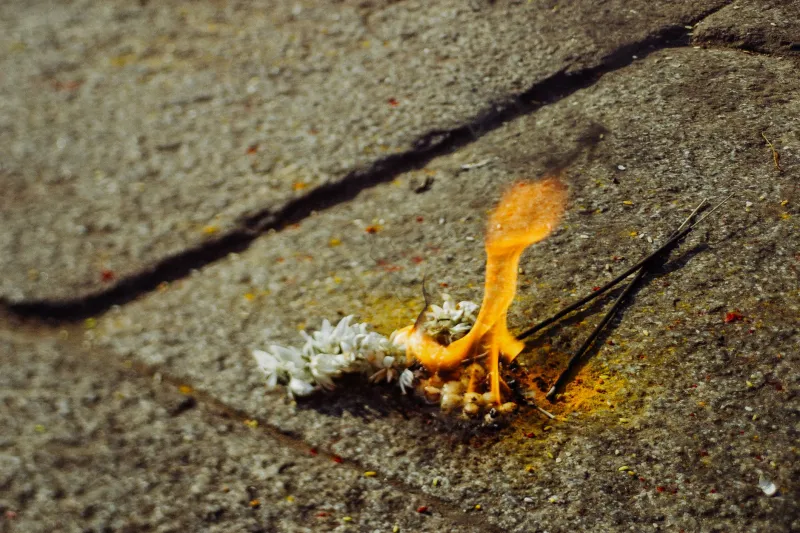
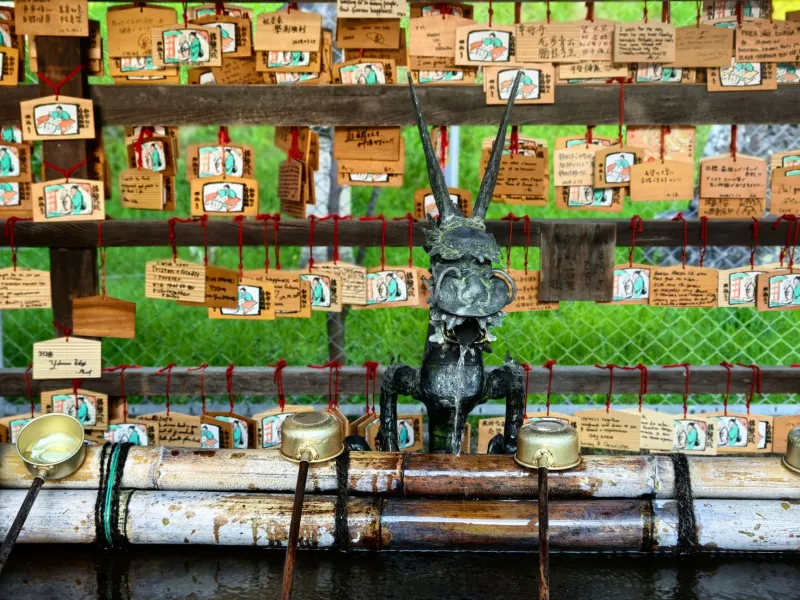
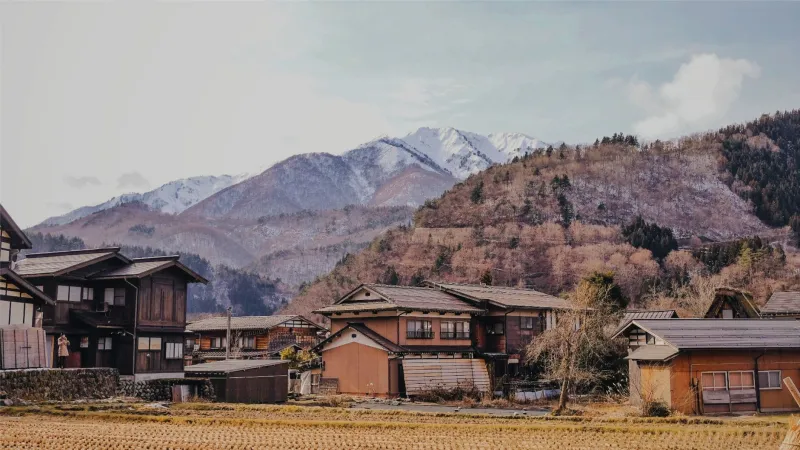
Kiso-Ontake hasn't just been climbed for centuries—it's been worshipped for centuries. The volcano straddling Nagano and Gifu prefectures sits at the heart of Ontake Shinto, a homegrown Japanese faith built entirely around the mountain itself. For hundreds of years, ascetics called shugenja made the climb as a religious act, and the slopes are dotted with the evidence: stone stupas, carved tablets, tiny shrines, and stacked offerings left by pilgrims who came to meet a deity, not to check a box.
In Shinto thinking, the mountain doesn't have a kami. The mountain is the kami—or at least its dwelling place. The summit crater, Otake, isn't a scenic payoff. It's the inner sanctum. When you cross onto that ground, you're not finishing a workout. You're stepping into someone's living room.
That reframing changes everything about how you behave up there.
Why 'Conquest' Doesn't Translate
American hiking culture, especially out West, grew up on a frontier mindset. The summit is the goal, the goal is the prize, and getting there first—or fastest, or most times—earns you bragging rights. Nothing wrong with ambition. But it's a fundamentally extractive relationship with the landscape: take the view, take the photo, take the achievement, go home.
The Japanese approach flips the direction of the transaction. You don't take from the mountain. You receive. The climb is an act of asking—entering, being allowed, being changed a little by the experience. That's why pilgrims ring bells, clap twice at shrines, and leave offerings before they leave. Gratitude isn't an afterthought on Kiso-Ontake. It's the whole point.
I'll be honest: the first time I watched an elderly Japanese hiker bow toward the crater before touching the summit rocks, I felt like I'd been hiking wrong my entire life.
The Etiquette, Practically Speaking
You don't need to convert to anything to climb respectfully here. A few habits will get you 90 percent of the way:
Greet the mountain before you start. At the Otake Shrine office at the base, you'll register and can receive a mountain-entering permit (nyubatsu). Treat it like more than paperwork—it's your introduction. A small offering or fee, a bow, a moment of intention. It costs you thirty seconds.
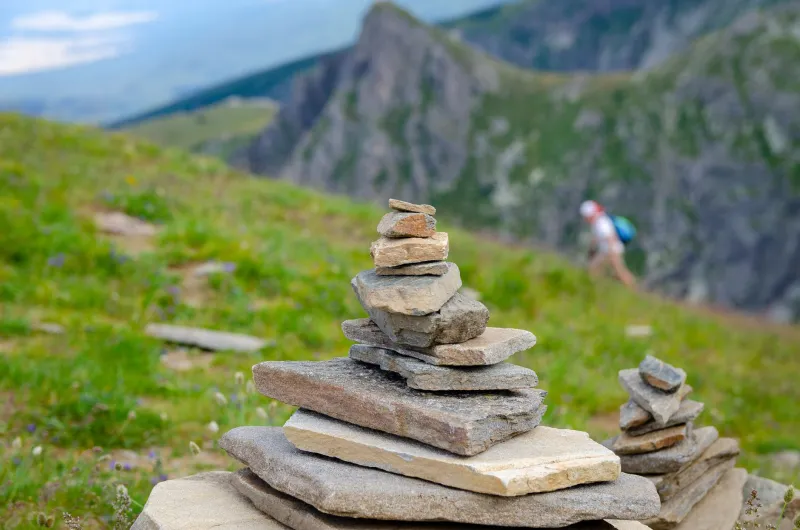
Leave the stone structures alone. Those stacks of stones, the carved Gorinto stupas, the little shrines at every gap in the treeline? They're not trail art or photo props. Climbing on them, moving them, or adding your own casual rock cairn next to centuries of devotional stacking reads as tone-deaf at best.
Quiet your volume. American trail chatter carries. You'll notice Japanese hikers tend toward hushed voices near shrines and the crater rim. Match the room you're in.
Don't treat the torii gates as archways. The torii mark thresholds into sacred space. Walk around them or pass through deliberately—don't jog through while filming a selfie montage.
Pack out everything, obviously. This one crosses all cultures. The mountain is a god here; littering is not a faux pas, it's a desecration.
What You Actually Get Back
Here's the thing nobody tells you: the reverent approach isn't a restriction. It's an upgrade.
When the summit isn't a trophy, the pressure evaporates. Weather turns you around? You weren't denied a prize—you were received as a guest and sent home early. Fog swallows the crater? The mountain gets to decide what it shows you. There's a humility in that that I've found missing from a decade of peak-bagging back in Colorado.
Kiso-Ontake, at 3,067 meters, is one of Japan's hundred famous mountains. But the hikers descending past you at the trailhead won't be talking about elevation gain. They'll be talking about the light on the offerings, the smell of incense at the crater edge, the feeling of having gone somewhere that noticed them back.
You came all this way to Japan. You can climb it like a checklist, or you can climb it like a pilgrimage.
The mountain will treat you exactly as you treat it. That's not just etiquette. That's the whole theology.