Follow the Water Downhill: Turning Your Kiso-Ontake Summit Into a Full Watershed Journey
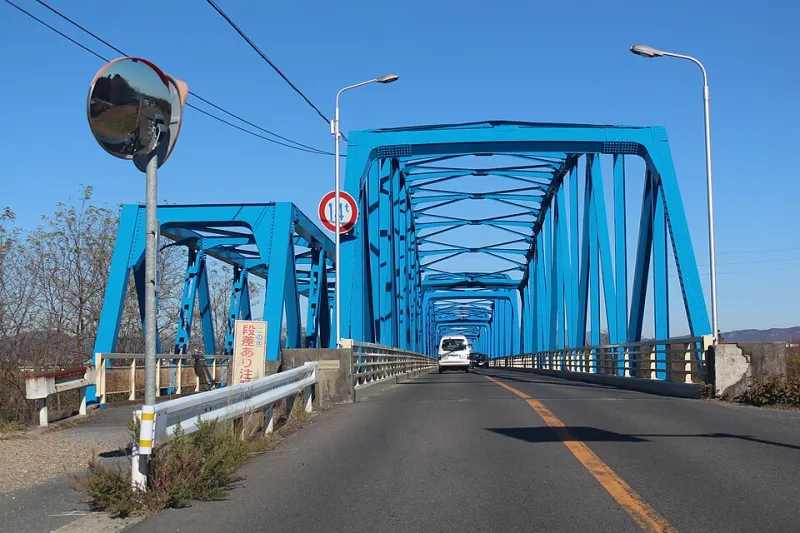
Photo: Alpsdake, CC BY-SA 4.0, via Wikimedia Commons
The Summit Isn't the End of the Story
There's a moment on every Kiso-Ontake descent when you cross a stream no wider than a garden hose. It's easy to step over without thinking. But that little rivulet is headed somewhere: downhill, joining other rivulets, gathering volume, until it becomes the Kiso River — the same waterway that carved the Kiso Valley, powered the castles at Inuyama and Okazaki, and empties into Ise Bay hundreds of kilometers away.
Most guidebooks (American ones especially) treat the mountain as the destination and the trailhead as the exit. But if you've got a few extra days, the smarter move is to follow the water. Think of it as an upstream-to-downstream itinerary: you start at the source, and the river decides where the rest of your trip goes.
Why a Watershed Trip Works for Americans
Here's the pitch for anyone who's done a thru-hike section or paddled the Buffalo River: the Kiso watershed is basically the same idea, but with onsen and sake breweries at the take-out points.
The logic is simple. When you summit a peak, you've seen the top of a system. When you follow the river, you see the whole thing — the headwaters, the gorges, the farming towns, the oyster-free but decidedly fishy fishing culture. It transforms a one-day climb into a journey with a narrative arc. And unlike the Camino, nobody's fighting you for a bunk.
Leg One: Headwaters and Holy Springs
The springs around Otaki and the higher slopes aren't just scenic. In Shinto terms, water coming off a sacred mountain is itself sacred — which is why you'll find small stone shrines at springs you'd otherwise paddle past without a second look. Fill your bottle (many of these sources are drinkable, and locals do), but treat them the way you'd treat a wilderness water source in the Sierra: respectfully.
The Kiso Valley townships downstream — Kiso-Fukushima, Narai, the famous preserved post towns — all grew up because of this water. Walking a stretch of the Nakasendo between them is effectively a watershed tour with a historical bonus.
Leg Two: Getting on the Water
Downstream, as the Kiso widens, the paddling options open up:
- Gentle rafting near Kisogawa and downstream of the dams — family-friendly floats with outfitters who, increasingly, have English-language websites and can handle a booking from an American cell number.
- Duckie and kayak stretches — a bit punchier in spring meltwater season, calmer by autumn.
- Supervised riverplay in summer — the Kiso has a long tradition of river festivals, and some towns run guided water activities tied to them.
You don't need to be a Class IV kayaker. The point isn't adrenaline. The point is that you're now looking up at the mountain you climbed, from a perspective almost no tourists bother with.
Leg Three: Fishing Culture and Riverside Ryokan
The Kiso's upper reaches hold ayu (sweetfish) and amago trout, and local anglers take their craft seriously. If you want in, ask at your ryokan — many can arrange a half-day with a local guide. You don't need a license for some catch-and-release styles, but rules vary by section and season, so confirm before you cast.
Even if you never touch a rod, eat the fish. Ayu grilled with salt over charcoal, riverside, in the evening — this is one of those meals that justifies the whole trip. Pair it with a local sake brewed with, you guessed it, Kiso water.
Then soak. Riverside ryokan with rotenburo (outdoor baths) overlooking the river are the watershed itinerary's secret weapon. There's a specific feeling of sitting in hot water, watching the current go by, knowing you stood on the snow that made it. No American trail town quite replicates it.
A Sample Downhill Itinerary
- Day 1–2: Summit Kiso-Ontake via Otaki. Overnight in a yamagoya or descend to a Kiso-Fukushima ryokan.
- Day 3: Nakasendo walk between post towns, tracing the river valley.
- Day 4: Guided rafting or kayaking on a middle stretch of the Kiso.
- Day 5: Fishing morning, riverside onsen afternoon, sake and ayu dinner.
- Day 6: Continue toward Inuyama Castle and Nagoya, where the river finally gives up its mountain character.
The Takeaway
Kiso-Ontake is the head of the watershed, not the whole watershed. Follow the water and you get a trip that has a beginning, a middle, and an end — instead of a summit photo and a long ride back to the airport. The mountain gave you the climb. The river gives you the epilogue.