Fire Before Feet: Why the Goma Ceremony Deserves Top Billing on Your Kiso-Ontake Itinerary
Ask most American hikers how they'd plan a trip to Mount Kiso-Ontake and you'll get the same answer: pick a date, book a hut, grind out the summit. The mountain worship that built the entire trail network? That's a nice-to-have, something to glance at on the way past.
Having spent time at the foot of this peak, I'd argue you have it backwards. The goma fire ceremony — the burning ritual at the heart of Ohtake Shrine practice — isn't a side dish to the hike. It's the main event the hike was invented to serve.
What Goma Actually Is
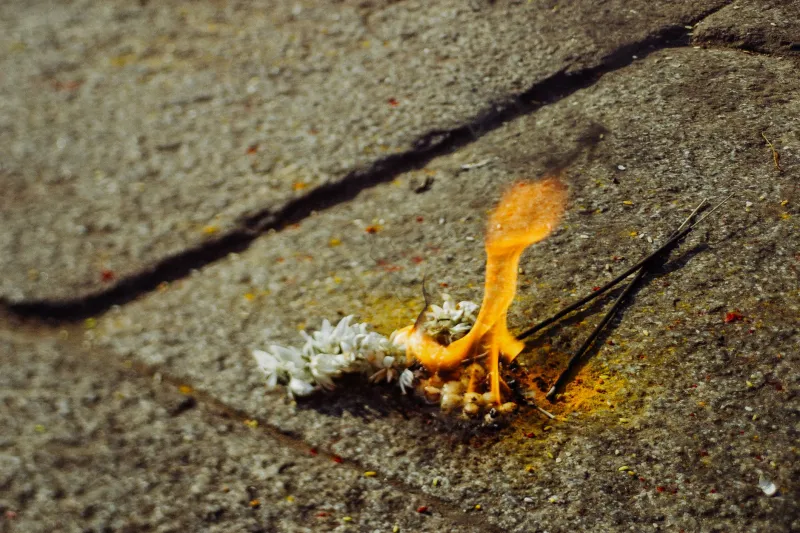
Goma (護摩) is a fire ritual with roots in Shingon Buddhism that got woven into Japan's mountain worship traditions centuries ago. In its simplest form, practitioners write wishes, worries, or the names of loved ones on wooden sticks called gomagi. Those sticks get stacked into a towering pyre, and then — usually with considerable drumming, chanting, and blowing of conch shells — the whole thing goes up in flames.
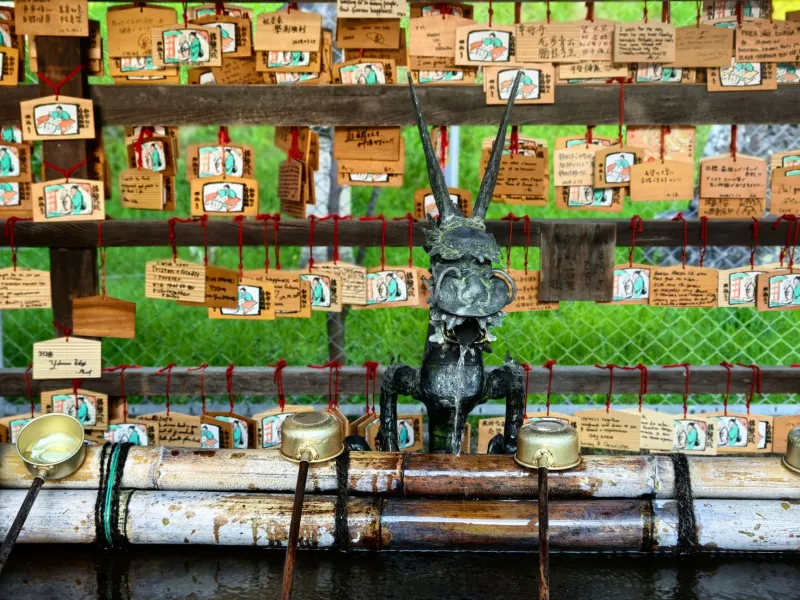
The symbolism is straightforward once you see it: the fire consumes earthly desires and obstacles, and what rises is purification. At Shinto-Buddhist syncretic sites like Ohtake Shrine, which sits at the base of the sacred volcano, goma ceremonies have long been tied to praying for mountain safety, good harvests, and the protection of those heading upslope.
If you've ever watched a bonfire at a summer camp and thought it felt primal, multiply that by a few centuries of devotion and you're getting close to the atmosphere.
Why It Matters for This Mountain Specifically
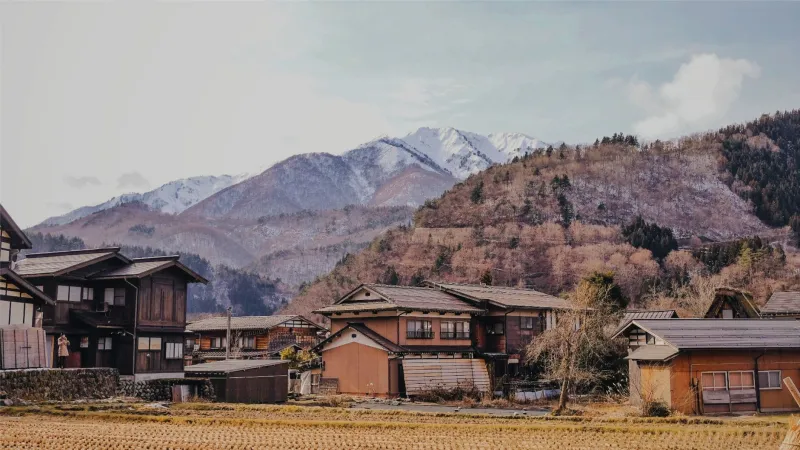
Kiso-Ontake isn't just a volcano with a shrine tacked on. The entire hiking culture here grew out of religious pilgrimage. For generations, climbers didn't summit for views or Strava segments — they ascended as an act of worship, often after receiving permission and purification at the shrine office below.
That means the goma ceremony isn't decorative folklore. It's the original purpose statement for the trail you want to walk. Watching one is like visiting Independence Hall before reading the Constitution. Context changes everything.
What It's Like to Attend as a Visitor
Here's the good news: goma ceremonies at the major Ontake worship sites are generally open to respectful observers, and some welcome visitors who want to submit their own gomagi sticks.
Expect sensory overload in the best way. Drums thunder. Priests chant in a register that seems designed to vibrate your ribcage. The heat from the pyre reaches the back rows. The whole thing might last anywhere from thirty minutes to over an hour depending on the scale of the ceremony.
A few practical notes for Americans attending for the first time:
- Dress modestly and practically. Think funeral-adjacent, not festival-casual. You may be sitting on floors or standing for extended periods.
- Ask before photographing. Some ceremonies welcome it; others don't. When in doubt, keep the phone in your pocket and buy a postcard instead.
- Follow the crowd. If everyone bows, bow. If everyone sits, sit. You don't need to know the choreography — you just need to be observant.
- Don't treat it as a photo op. This is living worship for people in the community, not a reenactment staged for tourists.
If you can arrange it through the shrine office in advance, even better. A short conversation — or one mediated by a translation app — signals respect and often unlocks a much richer experience.
Timing Your Trip Around the Fire
This is where a little planning pays off. Ceremonies and festivals connected to Ontake worship cluster around specific points in the calendar — the official opening of the climbing season in early summer, and various observances through the warmer months. Exact dates shift year to year, so check with the shrine office or regional tourism sites before locking in flights.
A workable structure looks like this:
- Day one: Arrive in the Kiso Valley, settle in, visit the shrine grounds in the late afternoon when the light is good and the tour buses are gone.
- Day two: Attend the goma ceremony in the morning. Let it sink in over a long soba lunch.
- Day three onward: Hike. Whether you summit or wander the lower slopes, you'll read the terrain differently after watching the fire.
Compare that to the standard American itinerary — land, hike, fly out — and the difference is stark. One version gives you a summit photo. The other gives you a story.
The Case for Reordering Your Priorities
There's a certain American instinct we all carry: maximize the objective, bag the peak, move on. But the places that stay with you are usually the ones where you slowed down enough to understand what you were looking at.
A goma ceremony asks very little of you — an hour of standing, a bit of humility, maybe a written wish consigned to the flames. What it gives back is the key to the entire mountain. Suddenly the stone markers, the shrine gates, the pilgrim paths all make sense as parts of one continuous practice.
So when you're sketching out your Kiso-Ontake itinerary, resist the urge to build everything around the summit day. Build it around the fire instead. The mountain will still be there when the smoke clears — and you'll climb it knowing why anyone climbs it at all.