Two Weeks Off, Ten Days Needed: A Realistic Kiso-Ontake Trip Plan for American Travelers
Let's be honest about American vacation math. You've got ten usable days after flights, and you're wondering if that's enough to hike a 3,067-meter sacred mountain and wander the samurai post towns of the Kiso Valley without feeling rushed.
Good news: it is. I've done versions of this trip three times now, and the Kiso-Ontake region rewards planning over speed. Here's the itinerary I'd hand a first-timer flying in from the States.
Before You Book: A Few Ground Rules
Fly into Nagoya, not Tokyo. Chubu Centrair International Airport puts you two hours from the trailheads instead of five. Direct flights from Detroit, Atlanta, and other US hubs connect through major Asian gateways, and you'll thank yourself every time you skip a Tokyo transfer.
Build in a buffer day. Typhoon remnants and mountain weather don't care about your return flight. Day 10 of this plan is deliberately flexible.
Book mountain huts early. The yamagoya (mountain lodges) on Kiso-Ontake fill up on weekends, especially during the autumn foliage season. Reserve online through the hut operators or ask your guesthouse host to call — many American hikers don't realize a phone call in Japanese is still the golden ticket.
Days 1–2: Land, Recover, Ride the Rails
Don't climb anything on day one. International arrivals wreck your legs and your judgment.
Take the train from Nagoya to Kiso-Fukushima or Agematsu, the gateway towns for the Kiso Valley. The Shinano limited express on the Chuo Line is one of Japan's prettiest rides — river gorges, cedar forests, the occasional glimpse of Ontake itself on a clear day.
Sleep. Drink the local coffee. Adjust your body clock.
Days 3–4: Warm Up on the Nakasendo
Before you earn the summit, walk the history.
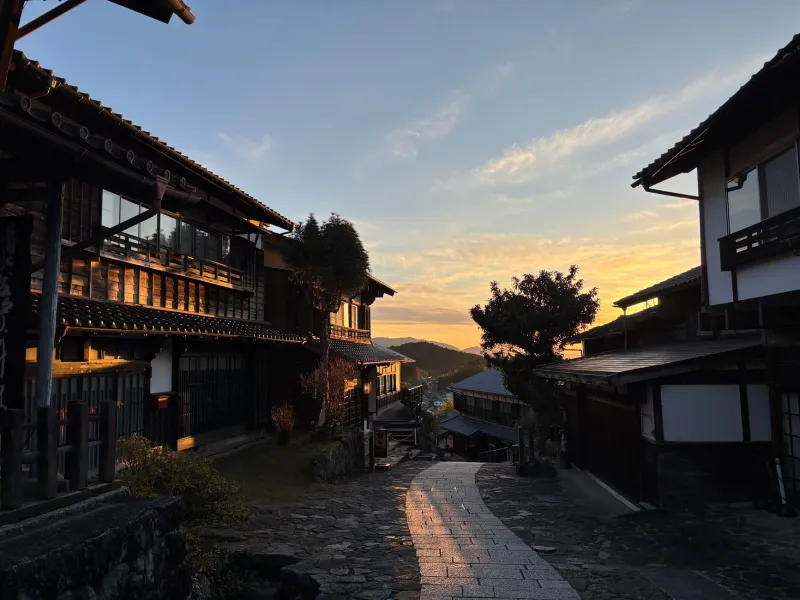
The classic route is the 8-kilometer stretch between Magome and Tsumago, two restored post towns on the old samurai highway connecting Kyoto and Edo. Stone paths, waterwheels, woodsmoke — it's the Japan you pictured before you booked the flight. If you want more, add the quieter Narai-to-Yabuhara section over Torii Pass.
This is also your altitude warm-up. It's not much, but your quads will appreciate the rehearsal.
Day 5: Move to the Mountain
Base yourself in Kaida Highland or Otaki village on the mountain's southern flank. Rent a car for these days if you can — public transit up here is thin, and gear rental shops in the area can outfit you with poles, crampons (seasonal), and packs if you'd rather not haul luggage across the Pacific.
Spend the afternoon at Ontake Shrine's Otaki Chukyo-sha, the huge red shrine pavilion that marks the traditional starting point of the pilgrimage climb. Even if you're not religious, standing there as clouds roll over the peak, you'll understand why people have been climbing this mountain for two thousand years.
Days 6–7: The Ascent
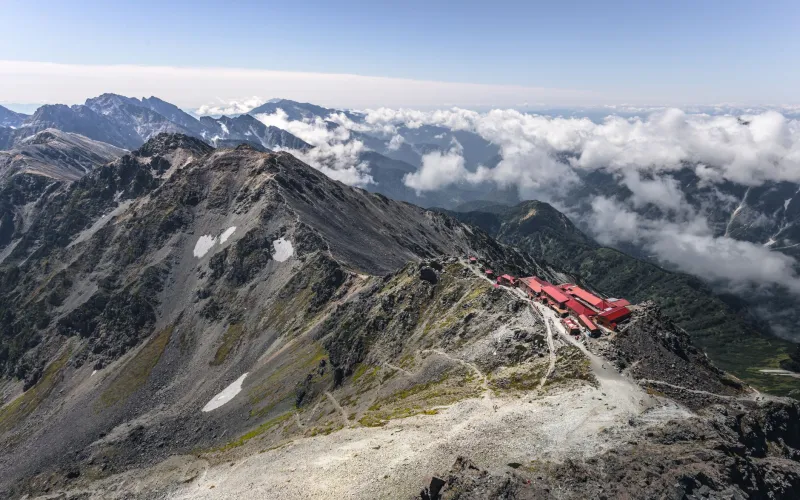
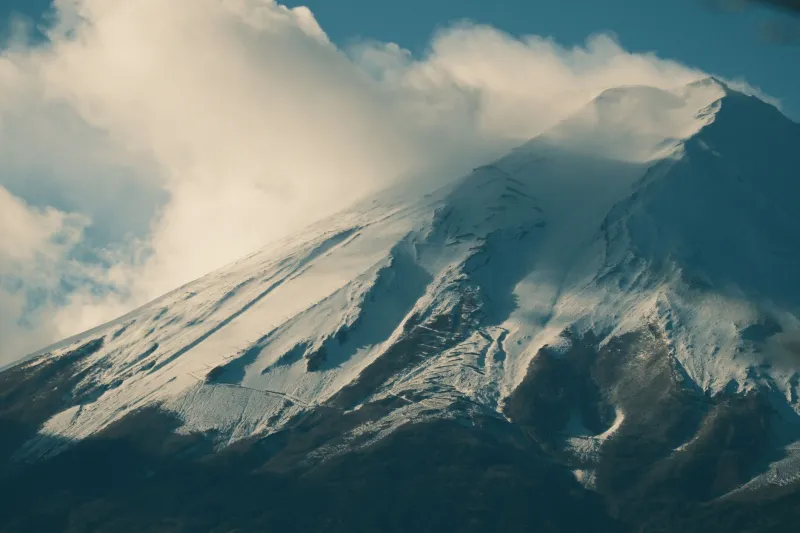
The standard route from Otaki side (via the Kuzotsu ridge or the ropeway-assisted route from Tanohara) gets most hikers to the summit zone in a day. Many stay at a hut near the crater rim and summit at dawn — the sea of clouds below you at sunrise is the single best payoff of this entire trip.
A few practical notes:
- The crater is sacred. The inner peaks (okugoin) are worship sites, not viewpoints. Follow your guide's lead on etiquette.
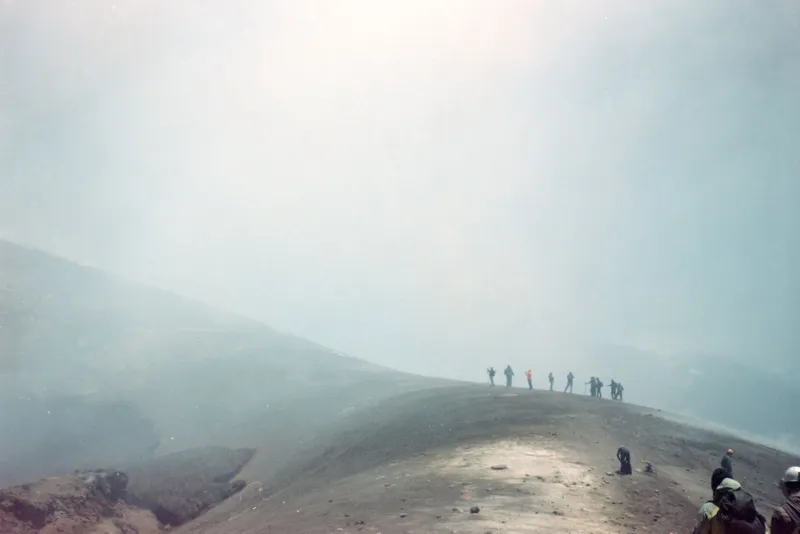
- Check volcanic alerts. More on this below, but the mountain is active and access levels change.
- Cash. Huts don't take your Amex.
Days 8–9: Soak, Eat, Decompress
Come down off the mountain and reward yourself. The Kiso Valley's onsen villages — Hirugano, the baths around Kaida, or a day trip toward Gero Onsen — are the perfect antidote to hut bunks and freeze-dried rice.
Eat everything. Soba made with local buckwheat, river fish grilled over coals, gohei-mochi (rice cakes with walnut-miso paste) that will ruin all other snacks for you. Nagano Prefecture punches way above its weight for food.
Day 10: Buffer and Departure
This is your weather day, your missed-connection day, or your "one more bowl of soba" day. Head back to Nagoya the evening before your flight or take the earliest morning train.
Compressing or Stretching the Trip
Only have seven days? Cut one post town day and one onsen day. Keep the buffer.
Lucky enough to have two weeks? Add a Kamikochi loop in the Northern Japan Alps, or slow down and take a guided two-day pilgrimage climb with a local otabi-sha (pilgrim guide) — worth every yen for the cultural context alone.
One Last Thing: Respect the Volcano
Kiso-Ontake erupted in 2014 with tragic loss of life, and the mountain remains active. Check the Japan Meteorological Agency's alert level before you go, register your hiking plan, and carry the gear huts recommend. Hiking here means being a guest — of the mountain, and of the communities that live in its shadow.
Ten days. One sacred peak. Zero regrets.