Sleeping on the Mountain: A Crash Course in Yamagoya Culture for American Hikers
If your idea of a multi-day hike involves a bear canister, a freeze-dried lasagna, and a sleeping bag zipped up against the cold, Japan is about to ruin you — in the best way possible.
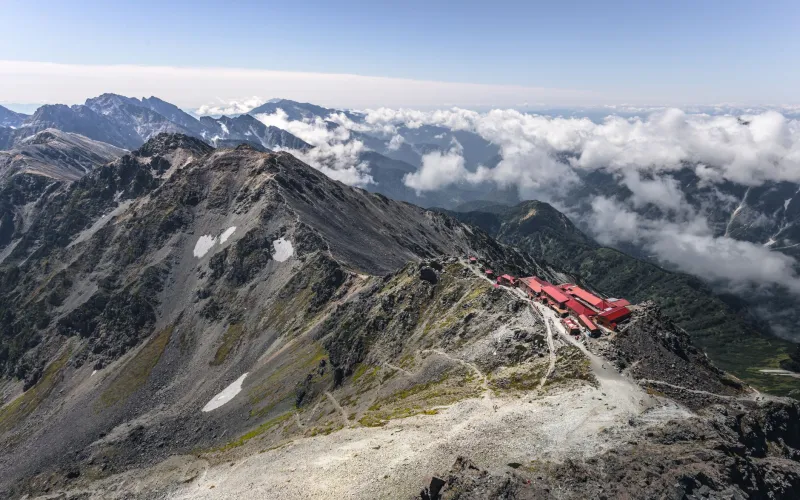
On the slopes of Mount Kiso-Ontake and the highlands around Ontake Kogen, the tent is optional. In its place: the yamagoya, or mountain hut, a tradition that stretches back centuries to when pilgrims climbed these sacred slopes to worship the volcano itself. You hike light, you sleep warm, and someone else cooks dinner. Once you've experienced it, American-style self-sufficiency starts to feel like a lot of unnecessary suffering.
Here's what first-timers need to know.
What a Yamagoya Actually Is
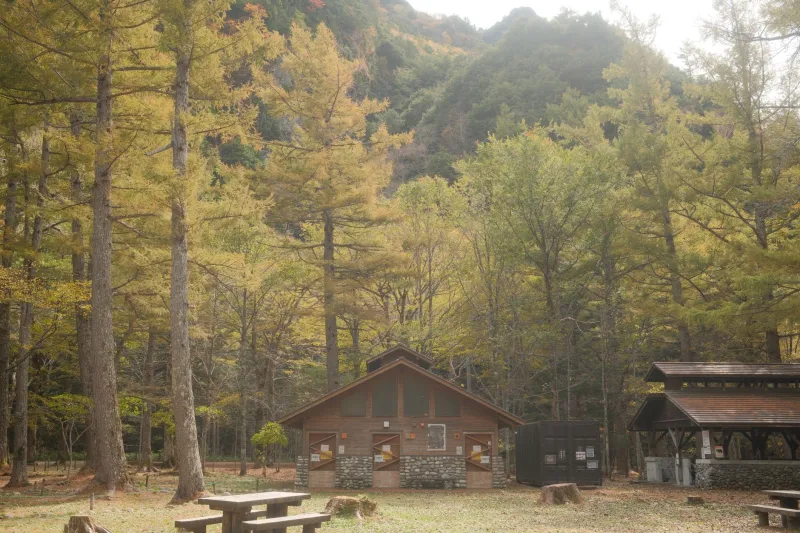
Think less " Appalachian Trail shelter," more "rustic inn at 8,000 feet." Most huts around Kiso-Ontake offer dorm-style sleeping platforms with futons and blankets, a communal dining area, and — in many cases — surprisingly good meals. Some of the larger lodges near Ontake Kogen's trailheads are effectively small hotels, complete with onsen baths. Others, higher on the mountain, are basic but cozy.
Prices typically run 7,000–10,000 yen per night with two meals included, which is comparable to a cheap motel back home — except the view is a volcano and the check-in process involves taking off your boots at the genkan (entryway).
Booking Without Speaking Japanese
This is the part that scares most American hikers, and it shouldn't. A few options:
- Email in simple English. Many hut owners use translation tools and manage fine. Keep it short: dates, number of people, dinner and breakfast yes/no.
- Ask your lodging in Otaki or Kiso town to call for you. Guesthouse owners in the foothills do this constantly and are usually delighted to help.
- Use a booking aggregator. A handful of the Ontake Kogen lodges list on Japanese platforms like Jalan or Ikkyu; a browser translator gets you through checkout.
One thing to know: reservations matter even midweek, and weekends in summer and October foliage season can fill up weeks ahead. Book before you fly.
What to Pack (and What to Leave Behind)
Because huts provide bedding and food, your pack shrinks dramatically. Bring:
- A change of base layers and clean socks for the hut
- A lightweight sleep sheet or liner (optional, but many hikers prefer it)
- Earplugs — dorms are dorms
- Cash. Almost no mountain huts take credit cards, and none take Apple Pay. This is the single most common rookie mistake.
- A small towel for onsen baths
- A trash bag — Japan's mountains are immaculate because everyone packs out everything, including that candy wrapper
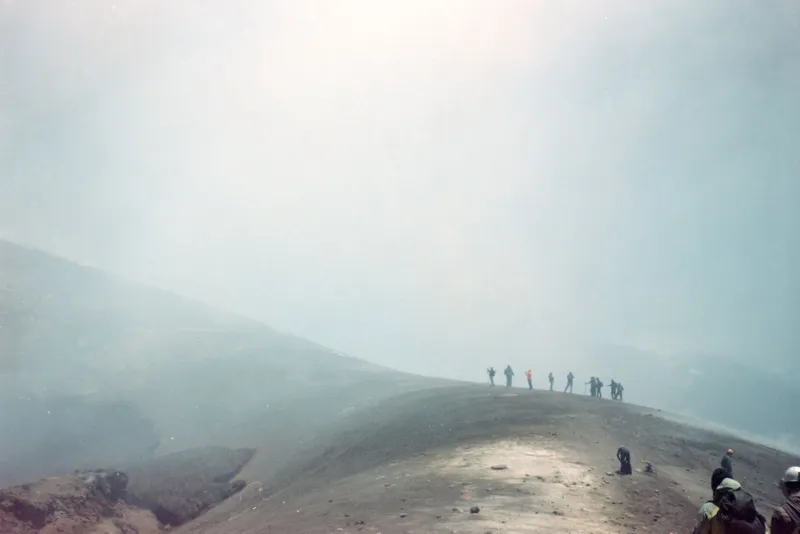
Leave the tent, stove, and sleeping bag at home. Your knees will thank you on the climb toward the crater rim.
Etiquette Essentials
Mountain hut culture runs on quiet consideration. A few rules of thumb:
- Shoes off at the door, always. Slippers are usually provided.
- Dinner is communal and on time. Show up when called; the kitchen serves everyone at once.
- Lights out means lights out. Most huts dim the lights around 8 or 9 p.m. Hikers rising at 3 a.m. for a summit sunrise do so as quietly as humanly possible.
- Bath before dinner, if offered. At onsen lodges, wash thoroughly at the tap before entering the bath. The soaking water is shared.
- Greet everyone. A nod and "konnichiwa" on the trail and a "kaerimashita" when passing other hikers in the hut goes a long way.
The Meals Are Half the Point
Do not expect trail mix. Hut dinners around Kiso-Ontake often feature local mountain vegetables, soba or rice, grilled river fish, and pickles — hearty fuel made from Kiso Valley ingredients. Breakfast is rice, miso soup, and eggs, eaten while watching the sun spill over the Southern Alps. Vegetarians should mention it when booking; options are limited but owners will usually adapt if they know in advance.
Why It's Worth It
There's something quietly profound about falling asleep in a hut that has sheltered pilgrims for generations, listening to wind move through the larch forest below the sacred peak. You didn't conquer the mountain. You were welcomed onto it — fed, bathed, and tucked in by people whose families have kept these lodges alive for a century.
No bear canister required.