Meet the Medicine Women of Otaki: What the Herbs Along the Trail Can Teach You
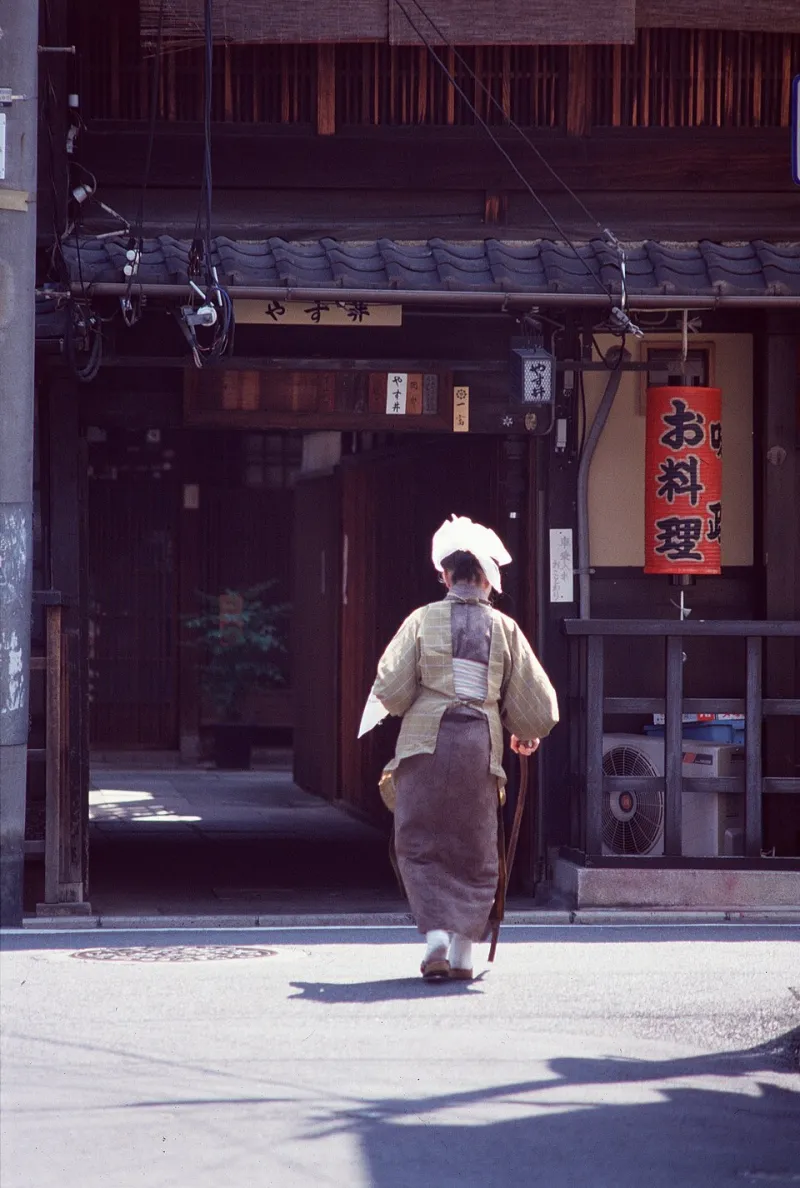
Photo: Marie-Sophie Mejan, CC BY 4.0, via Wikimedia Commons
The morning we set out, Tanabe-san carried no water bottle, no snacks, no pack beyond a small woven basket and a hand sickle worn smooth by decades of use. She was, I'd later learn, exactly on schedule. Mountain herbs don't wait for you to be ready.
She's in her late seventies and one of the last women in Otaki village who still gathers medicine plants the way her grandmother did — walking the lower slopes of Kiso-Ontake, basket on hip, reading the mountain the way a pharmacist reads a shelf. For centuries, the foothills of this sacred volcano functioned as a kind of open-air apothecary for the Kiso Valley. Pilgrims came up to worship. Villagers came up to gather.
If you're an American hiker planning an ascent, understanding that second group might change how you see every step of the trail.
A Pharmacy With a Trailhead
Kiso-Ontake's lower forests and meadows are absurdly botanical. The mix of volcanic soil, elevation, and old pilgrim paths — which kept certain areas trafficked but never developed — created conditions where useful plants thrive close to hand.
A few you're likely walking past without knowing it:
- Itadori (Japanese knotweed) — Yes, the same plant that terrorizes backyards in Ohio. In Japan, young shoots are peeled and eaten like a tart rhubarb snack, and the root has a long history in folk medicine. Along the Otaki paths, it's everywhere in early summer.
- Sansho (Japanese pepper tree) — The citrusy, tongue-tingling relative of Sichuan pepper. Villagers harvest the green pods in early summer; the leaves go into soups. Crush a leaf between your fingers on a hot hike and you'll understand why people planted these trees near their homes.
- Ukogi (Japanese angelica tree) — The famous taranome shoots, a spring delicacy, come from this thorny customer.
- Ninjin relatives and forest roots — Local herbalists still seek out mountain-grown roots believed to build stamina, though Tanabe-san was quick to note which ones she'd never point out to a journalist. Overharvesting, she said through our interpreter, is a modern disease the mountain didn't used to have.
That last point matters, and it shapes everything below.
The Rules She Grew Up With
Watching Tanabe-san work was a lesson in restraint. She took maybe a tenth of what she saw. She never gathered from the same patch twice in a season. And there were places she simply would not go — certain groves near shrine structures, slopes considered the deity's own garden.
This wasn't superstition dressed up as ecology, or at least not only that. It was a working conservation system, refined over generations, that treated the mountain as a lender rather than a landlord. In a culture where the mountain itself is worshipped, taking too much is not just wasteful — it's rude in a cosmic sense.
For a visitor raised on Leave No Trace, the philosophy translates more easily than you'd think. LNT says pack it out and leave what you find. The Kiso version adds a relationship: the mountain provides, so you ask, take little, and give back gratitude. The goma fire rituals at Otake Shrine aren't theater — they're part of the same ledger.
Can I Touch This? An American Hiker's Field Answers
The question I get most from readers is practical, not philosophical: is foraging legal, safe, or appropriate for foreign visitors on Kiso-Ontake?
Here's the honest breakdown:
Legality. Much of the high mountain sits within national forest and park land where gathering plants is restricted or prohibited. The shrines and village forests have their own conventions — essentially, permission flows through the community, not the government. The short version: as a visitor, assume no.
Safety. Even if you could, should you? Japanese mountain flora includes its share of toxic lookalikes, and Tanabe-san spent thirty seconds laughing at the idea of a tourist identifying roots from an app. Unless a local elder is standing next to you, eat nothing. Photograph freely; forage never.
Etiquette. This is where you actually have agency:
- Ask before you pick anything, anywhere, including what looks like common ground. In Otaki, the answer often depends on whose family forest it is.
- Never gather near shrine structures, offering sites, or marked sacred groves. If you see shimenawa rope or paper streamers, that's not a photo op with props — it's a boundary.
- Buy instead of pull. Village shops and the shrine office area sell sansho, dried herbs, and mountain vegetable preserves. Money in local hands does more for traditional plant knowledge than any basket you could fill.
- Say thank you in the local idiom. A bow toward the summit costs nothing and, per everyone I spoke with in Otaki, counts for quite a lot.
The Knowledge Is Thinner Than the Forest
Here's what left me quiet on the walk down: Tanabe-san couldn't name a successor. Her children live in Nagano City. The women who taught her are gone. The plants, she noted cheerfully, will be fine — it's the knowing that's endangered.
That's worth holding onto when you visit. Every hiker who treats Otaki as more than a trailhead, who eats a meal in the village, who buys a jar of mountain-vegetable preserves, who asks a question through a translation app and waits patiently for the answer — that person is voting for this knowledge to survive.
The mountain has been a place of healing for as long as people have climbed it. The least we can do, walking its pilgrim paths with our trekking poles and our summit plans, is leave the apothecary shelves exactly as we found them — and maybe bring a little of the philosophy home.
Practical note: Herbal walks and cultural introductions in Otaki are occasionally arranged through the village tourism office and shrine contacts. Arrange any plant-related visit in advance, go with a guide, and follow the etiquette above without exception.