Bigfoot Country Has Nothing on This: Hunting Tengu and Mountain Spirits on Kiso-Ontake
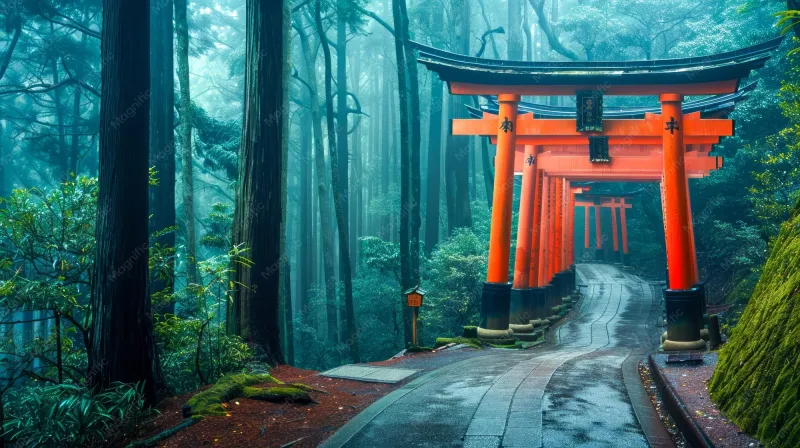
Photo: torii gate on misty mountain hiking trail Japan, via img.freepik.com
Every region of America has its cryptid. The Pacific Northwest has Bigfoot. New Jersey has its Devil. Vermont allegedly has a lake monster named Champ. We love a good creature legend — something half-seen in the trees that makes the woods feel alive.
Japan has that too, and honestly, they've been at it far longer. On Mount Kiso-Ontake, the folklore isn't relegated to blurry photos and grainy footprints. It's carved into stone, enshrined in wooden shrines along the trail, and woven into a living tradition of mountain worship that goes back centuries. If you're the kind of hiker who reads Bigfoot field guides for fun, this volcano is about to become your favorite place in Japan.
Meet the Tengu: Japan's Original Mountain Cryptid
Let's start with the headliner. Tengu are legendary beings associated with deep mountains across Japan — part bird, part human, part divine trickster. Picture something like Mothman meets a martial arts master, with a red face, a long nose (or in some depictions, a bird's beak), and the ability to appear and vanish at will.
In Edo-period Japan, tengu were blamed for just about everything that could go wrong in the mountains: hikers getting lost, sudden storms, people who wandered off and came back years later claiming to have been 'spirited away.' Sound familiar? It's the same psychology that drives Bigfoot lore — the mountain as a place where the rules of ordinary life don't quite apply.
On Kiso-Ontake specifically, the mountain was long considered the domain of spirits that you didn't enter casually. You climbed as a pilgrim, you followed the rules, and you respected the unseen residents. The shrine gates dotting the slopes aren't decorative. They're markers of a boundary — a way of saying 'you're in someone's territory now.'
The Worship Tradition: A Whole Religion Built on a Mountain
Here's where Kiso-Ontake diverges from anything in American folklore. This mountain isn't just home to legends — it's the center of an entire faith. Ontake Shinto, one of Japan's major mountain worship traditions, treats the peak itself as a deity.
Practitioners called shugenja trained on these slopes for generations, using waterfalls, fire rituals, and strenuous ascents as a path to spiritual power. The goma fire ceremony still performed at the base isn't a show for tourists — it's a continuation of practices meant to communicate with the mountain's spirit world.
For an American hiker, the closest parallel might be the way some Indigenous communities talk about certain landscapes: not as scenery, but as beings. Once that clicks, the whole mountain reads differently. Every shrine you pass isn't a photo op — it's a neighbor's front door.
Hiking the Folklore: A Legend-by-Legend Trail Guide
The beauty of Kiso-Ontake is that the cryptid tour and the actual hike are the same thing. You don't need a separate excursion. Here's how to layer the legends onto a standard visit.
Start at Otaki: Where the Boundary Begins
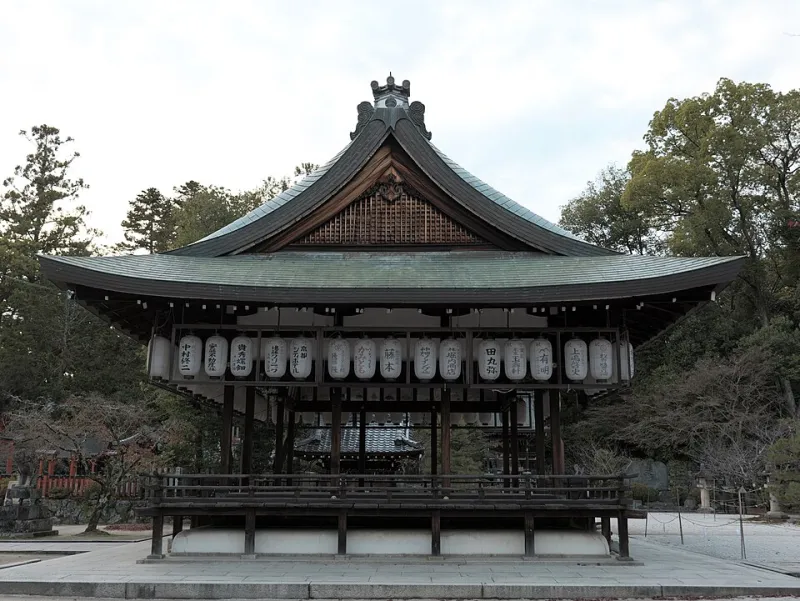
The village of Otaki sits at the traditional gateway to the mountain, and the Otake Shrine office here is where pilgrims historically checked in before ascending. Spend an evening wandering the shrine grounds. This is where you'll feel the folklore layer thickest — old cedar, stone lanterns, the sense that the forest behind the buildings is watching. Ask politely about the mountain's spiritual history; the staff have generations of stories.
The Lower Slopes: Torii Territory
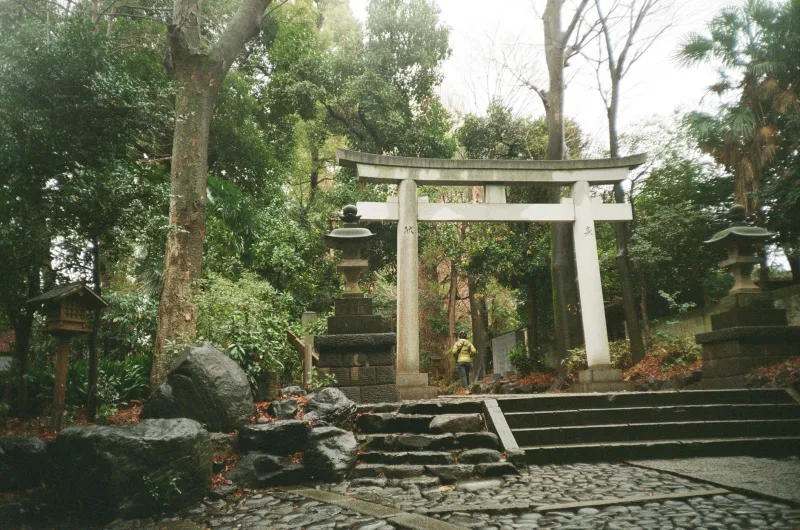
As you climb from the trailhead, you'll pass through a succession of torii gates and small stone shrines. In Ontake worship tradition, these mark progressive thresholds into increasingly sacred ground. Think of them as the folklore equivalent of trail markers: each one is a reminder that you're crossing into the domain of the spirits the tengu legends grew from.
Above the Treeline: Where Humans Don't Belong
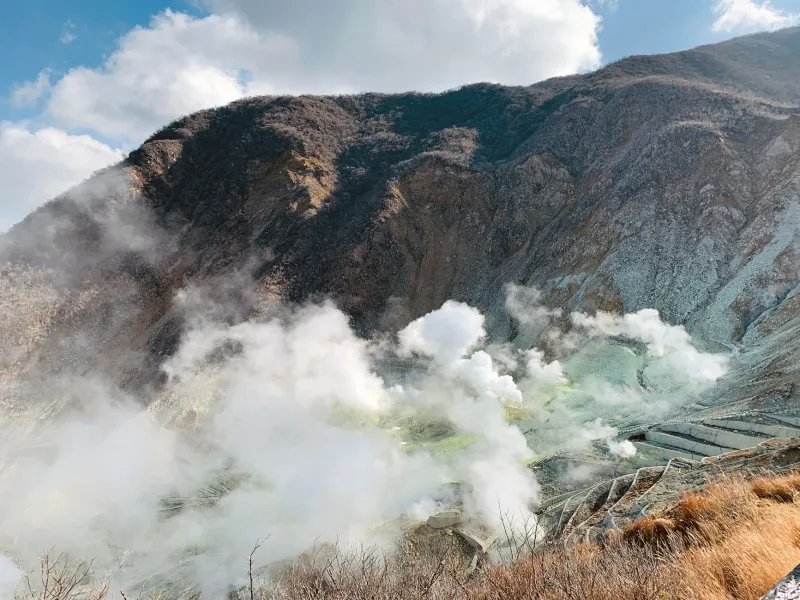
The upper mountain — volcanic, exposed, and otherworldly — was historically considered the realm of the divine proper. Pilgrims who made it this far were crossing a boundary most people never should. When you're up there in the wind and the sulfur smell, it's easy to understand why someone in the 1700s would've concluded the place was inhabited.
How to Be a Good Cryptid Tourist
A quick etiquette note, because this is where American hiking culture and Japanese mountain culture can clash if you're not careful:
- Don't touch or climb on shrine structures, even the small, weathered ones on the trail.
- A simple bow at a torii gate costs nothing and means everything.
- Keep your voice down near worship sites, especially if a ceremony is happening.
- Don't remove anything — rocks, charms, offerings. This mountain's legends come with real enforcement mechanisms: social ones.
Why Folklore Makes Better Hiking Than Another Summit Photo
There's a certain kind of hiker — you probably know one, or are one — who treats peaks like Pokémon: gotta catch 'em all, photograph the summit sign, move on. Kiso-Ontake is a gentle corrective to that mindset. The mountain doesn't reward speed. It rewards attention.
When you hike it as a folklore pilgrimage, the trail becomes a story with chapters instead of a checklist item. The tengu legends, the fire rituals, the shrine gates — they transform a moderately difficult volcano hike into something closer to what the original pilgrims experienced: a journey into a place where the world is bigger than you assumed.
Bigfoot hunters spend years chasing a glimpse of something they may never see. On Kiso-Ontake, you don't have to chase anything. The spirits are already there, marked and honored, waiting along every step of the trail. All you have to do is show up, bow, and pay attention.