Snowshoes at the Shrine Gate: A Quiet Winter Walk on Kiso-Ontake's Lower Slopes
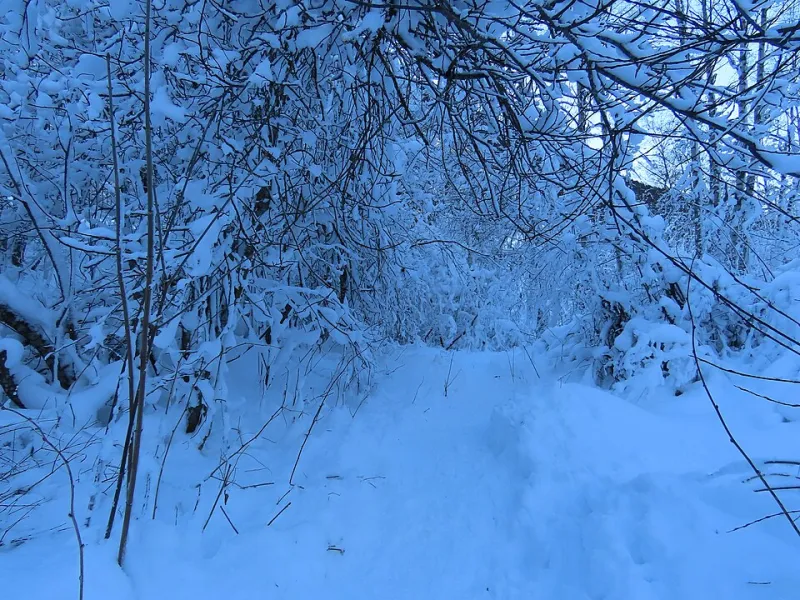
Photo: Rémih, CC BY-SA 4.0, via Wikimedia Commons
If you're a snowshoer in the US, your winter daydreams probably look the same as everyone else's: powder fields in Hokkaido, maybe a side trip to Niseko, a bowl of ramen at the end. It's a great trip. But here's the thing almost nobody tells you — some of Japan's most memorable snow travel happens far from the famous powder belt, on the quiet flanks of a volcano most Americans have never heard of.
Mount Kiso-Ontake, the sacred 10,000-foot peak straddling Nagano and Gifu prefectures, essentially closes down above the snow line in winter. The summit trails shut. The mountain huts board up. And that's exactly the point. What remains open to you is the lower landscape — the approach villages, the forested foothills, the steaming vents — and winter strips it down to something almost private.
Why Winter Here Feels Different
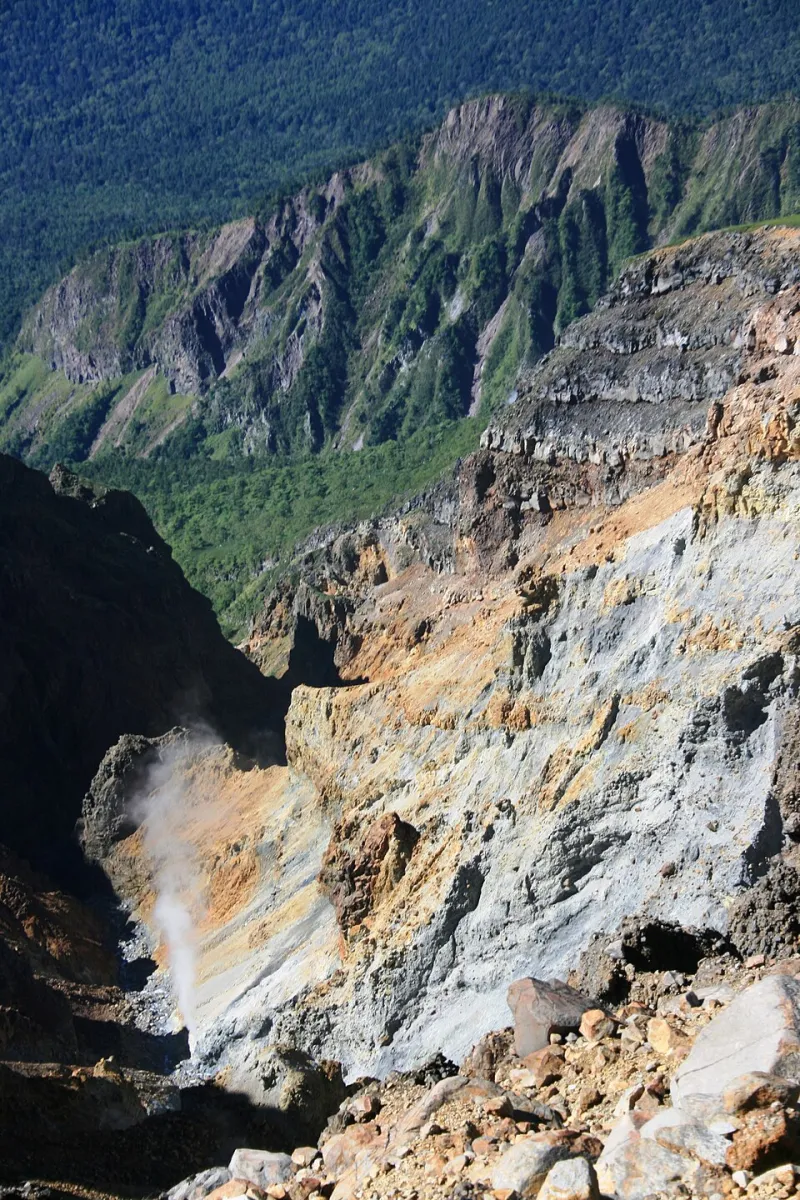
Kiso-Ontake is an active volcano with a serious history — the 1984 eruption reshaped entire valleys — and in winter, you can feel that geology under your boots. Pockets of volcanic heat push up through the snowpack, melting small windows in the white and sending wisps of steam into the cold air. In July, that's a curiosity. In February, with the mountain silent and the shrine villages shuttered for the season, it feels like the mountain is breathing.
The snow itself is different from what you'd find in Colorado or Vermont. The Kiso Valley sits on the Sea of Japan side of the country's weather divide, which means consistent, deep snowfall — but you're not here for powder turns. You're here for the texture of the place: snow-laden cedar, stone lanterns wearing white caps, torii gates standing half-buried like they're waiting for spring pilgrims.
The Reality Check: What's Open and What Isn't
Let's be straight about access, because this is where winter trips to Kiso-Ontake go wrong.
Above the snow line, don't plan on it. The upper trails and summit routes are seasonally closed, and unlike some US peaks, there's no ranger station posting updates in English. The mountain is sacred ground, and winter closure is treated with real seriousness. Trying to push high in winter without local sanction is both dangerous and disrespectful — this is a peak you're a guest on, not a summit you're entitled to.
Lower slopes and valley trails are the winter playground. Snowshoe routes around the base villages and foothill forests are where a guided winter outing makes sense. Conditions in volcanic terrain can shift fast, and Japanese mountain rescue is excellent but far away. A local guide — arrangeable through Kiso Valley tourism offices or your ryokan — handles route-finding, snow assessment, and the small cultural negotiations (like knowing which shrine paths are fine to walk and which to leave alone).
Transport gets thin. Winter bus schedules in rural Nagano run a fraction of their summer frequency. If you're not renting a car, build your day around the buses that exist, not the ones you wish did.
A Day on the Snow
Picture the rhythm: an early start from your ryokan, a short drive to a trailhead below the closure line, and then hours of that meditative snowshoe shuffle Americans know well from backcountry days in the Sierra or the Whites. The difference is the company you're keeping — volcanic steam columns, shrine remnants, and a stillness so complete you can hear snow slide off a branch a hundred yards away.
Guides often build in a stop at a viewpoint where the summit pyramid shows itself above the winter cloud layer. You won't stand on it. You don't need to. There's a lesson in that for peak-bagger Americans: this mountain's winter story is told from below, and it's a good story.
The Ryokan Finish
Here's where the trip earns its keep. End your day at a small hot-spring ryokan in the Kiso Valley — the kind of family-run inn where the bath water is genuinely, geologically hot because of the same volcanic system you just walked across. Soak until your snowshoe legs stop complaining, eat a multi-course dinner of mountain vegetables and river fish, and sleep with the window cracked so you can hear the valley.
Compare that to a Hokkaido lodge during peak season, and the math starts to make sense. Fewer people. Lower prices. Deeper quiet.
Planning Notes for First-Timers
- Go January through early March for reliable snowpack; check with your inn about conditions before committing.
- Book a guide. Volcanic winter terrain plus language barriers plus thin signage equals no good reason to go solo on your first trip.
- Pack warmer than you think. Valley winters hover well below freezing, and stops at shrine sites are stationary by nature.
- Bring cash. Rural inns, buses, and small onsen don't all take cards.
- Ask before you photograph people or active shrine structures — winter visitors are rare enough to be noticed.
Kiso-Ontake will keep its summit for you until the thaw. Winter is the mountain's other season — the quiet one, the steam-and-silence one. Snowshoes are just how you get invited in.