Buses That Wait for No One: Cracking the Transit Code to Kiso-Ontake
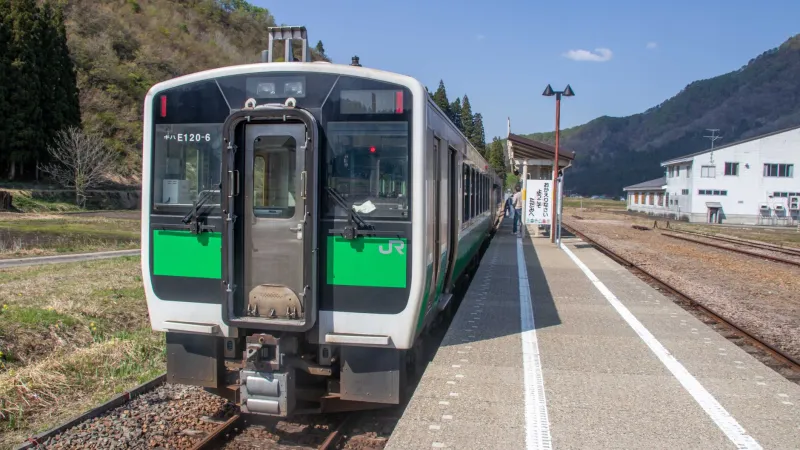
Here's the thing about getting to Kiso-Ontake that no one tells you until you're standing on a platform in the mountains: the hard part isn't distance, it's frequency. You can get within an hour of the trailhead on some of the most punctual trains on Earth. The last stretch, though, runs on buses that might come four times a day — and they will leave without you.
This guide breaks down the whole journey from the two cities you're most likely to fly into, so you can build an itinerary that bends instead of breaks.
From Tokyo: The Long, Scenic Way In
From Tokyo, your workhorse is the JR Chuo Line, which runs west through the mountains toward Nagoya. The limited-release express trains (the Shinano service) depart from Shinjuku and take roughly two and a half to three hours to reach Kisofukushima, the main gateway town for the Kiso Valley. Without a Japan Rail Pass, a one-way reserved seat will run you in the neighborhood of 9,000 yen — worth it for a window seat through the Kiso River gorge, which is half the fun.
If you hold a JR Pass, the ride is included, but note that seat reservations on this line are smart year-round and essential during foliage season.
From Nagoya: The Back Door
Nagoya is actually the closer gateway — about 80 to 90 minutes on the Shinano limited express to Kisofukushima. If your itinerary lets you choose entry cities, flying into Chubu Centrair and starting from Nagoya saves you half a day of transit and drops you into the mountains by early afternoon.
Either way, Kisofukushima is your staging town. Sleep there, eat there, and sort out the final leg from there.
The Last Mile: Buses, Taxis, and Math
From Kisofukushima, local buses run toward trail access points and the Kiso Valley villages, but schedules are sparse — think a handful of departures per day, thinning further on weekdays and in shoulder season. Two rules:
- Check the timetable the night before, at the tourist information counter in Kisofukushima Station. Staff can print you the current schedule, which may differ from what you found online.
- Plan your summit day around the bus, not the reverse. If the last bus down is 16:40, your turnaround time is 14:00. Mountain weather and Japanese bus schedules are both unforgiving.
For early starts or late finishes, taxis from Kisofukushima can bridge the gap, but pre-arranging pickup is standard practice in rural Nagano — your ryokan can usually call one for you. Budget accordingly; a taxi to a remote trailhead can cost more than your train ticket from Nagoya.
Renting a Car: When It Makes Sense
If you're traveling in a group of two or more, a rental car from Nagoya or Matsumoto can genuinely beat the bus system — trailhead parking exists, and you'll reclaim hours of waiting. The caveats for American drivers:
- You'll need an International Driving Permit, obtained in the US before departure (AAA issues them).
- Roads are narrow, mountain roads are curvy, and winter driving in the Japanese Alps is not for the faint of heart — late November through April, assume chains or closures.
- Navigation apps handle rural Japan well, but parking at popular trailheads fills early on weekends.
IC Cards, Luggage, and Other Quirks
IC cards (Suica, ICOCA, and friends) work on most urban transit and many rural trains, but coverage thins out in the mountains, and rural buses are hit-or-miss. Carry cash — thousands of yen of it. Rural Nagano runs on cash more than Tokyo ever warned you about, and ticket machines and bus fare boxes don't take American cards.
Luggage forwarding (takkyubin) is the American traveler's secret weapon. For around 2,000 yen per bag, services like Yamato Transport will ship your suitcase from your Tokyo hotel to your Kiso Valley ryokan in a day or two. Hike with a daypack; let the mountain bus stay empty of your 50-liter duffel. Ship it forward the day before you leave the city and pack an overnight bag.
Building a Flexible Itinerary
The mistake Americans make is planning Japan like a point-to-point road trip — one anchor per day, everything chained together. Mountain transit punishes that. Instead:
- Give yourself buffer days. One weather delay or missed bus shouldn't collapse the trip.
- Cluster your mountain time. Base in Kisofukushima for three or four nights and do day trips, rather than relocating nightly.
- Book refundable where you can. Flexible train tickets plus a slightly flexible ryokan means a storm day becomes a soak day, not a crisis.
Japan's transit will get you to the foot of a 3,000-meter sacred volcano with almost no friction. The last hour just asks for a little old-fashioned planning — and a printed timetable in your pocket.